Collection: Wild picking
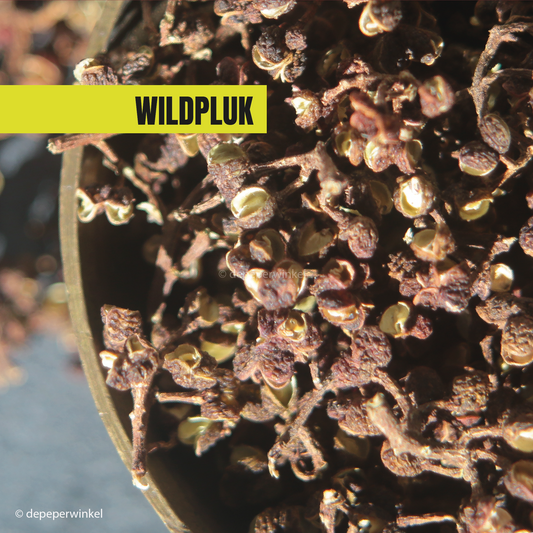
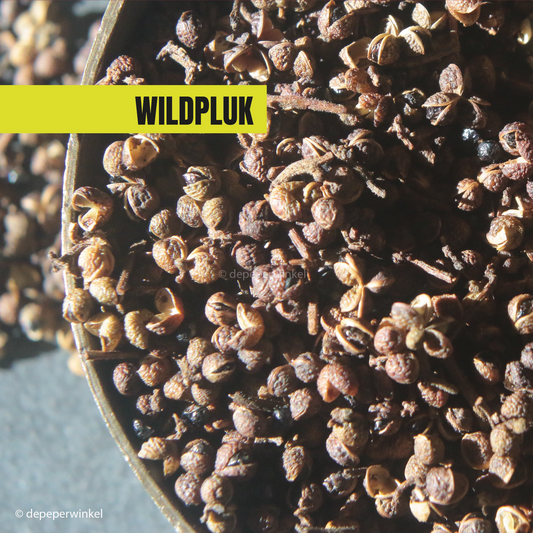
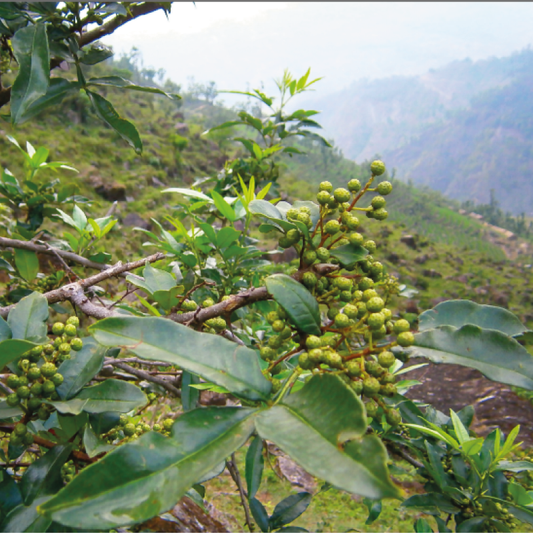
According to the World Health Organization (WHO), 60-90% of medicinal and aromatic plants are collected in the wild. There are numerous conceivable reasons why they are hardly visible in our stores.
Realize that foraging, when carried out sustainably, is of paramount importance for the conservation of the habitats in which they occur, but also for the income position of the gatherers now and in the long run.
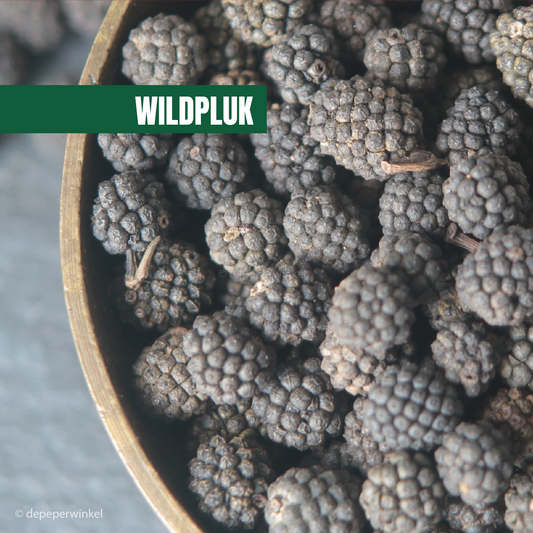
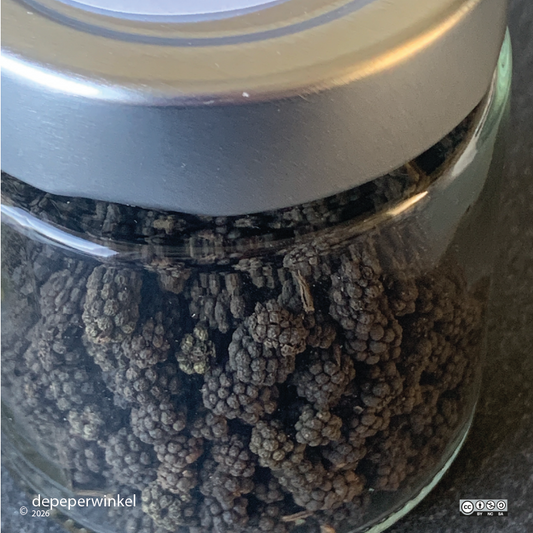
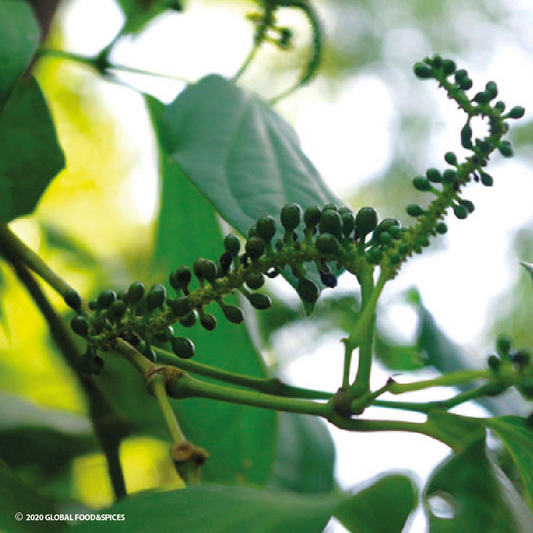
The wild harvesting of the Madagascar tail pepper, so popular among connoisseurs, proves this in the Voatsi Periphery. Attempts to cultivate the pepper to scale up production have so far proven largely unsuccessful, making it clear that good management of natural habitats is of great importance to continue producing the pepper. The farmer-gatherers are well aware of this. Read this article! https://theconversation.com/a-la-decouverte-du-meilleur-poivre-du-monde-223589
The same applies to the spices from the mountains of northwest Vietnam, some of which we offer, for example. doi seed. But also for the Tasmanian pepper, which, although cultivated by now as well, comes for the most part from the mountains, just like the green herbs of the Island of Crete.
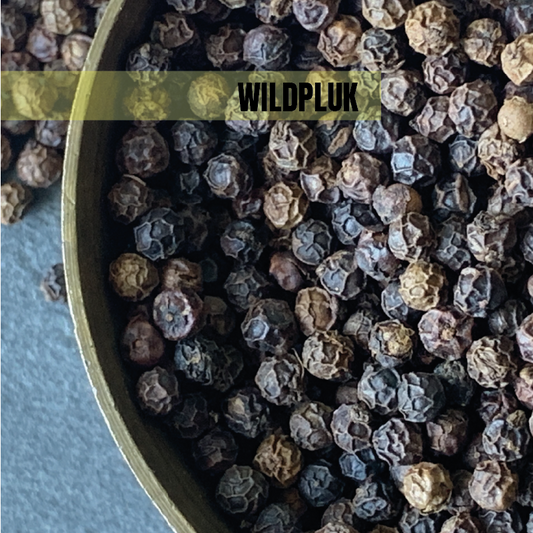
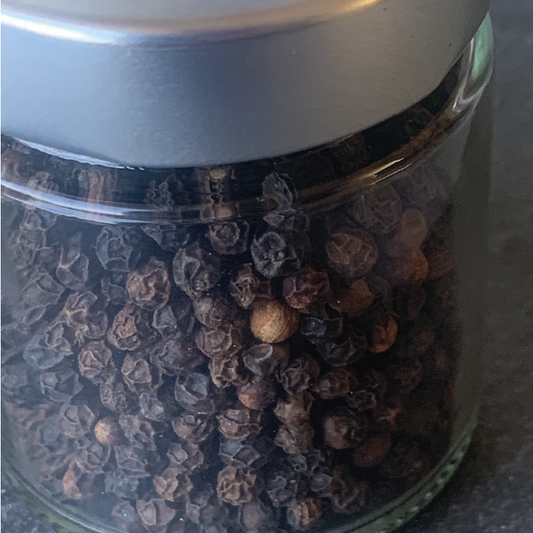
Finally, let's shine the spotlight on the Banasura pepper, as far as is known the only wild-foraged black pepper, making it the only pepper that 'tastes like it used to'.

-
Andaliman (premium Batak pepper)
Normal price From €4,70 EURNormal priceUnit price €313,33 per kg€8,10 EUROffer price From €4,70 EUROffer -
Ashanti pepper (tail pepper)
Normal price From €4,90 EURNormal priceUnit price €154,44 per kg -
Assam long pepper
Normal price From €2,00 EURNormal priceUnit price €184,44 per kg -
Banasura pepper GI
Normal price From €4,00 EURNormal priceUnit price €89,17 per kg -
Basil (vasilikos)
Normal price From €2,75 EURNormal priceUnit price €182,50 per kg -
Cubeb pepper wild picking
Normal price From €4,25 EURNormal priceUnit price €135,56 per kg -
Doi seed (hạt dổi)
Normal price From €4,70 EURNormal priceUnit price €223,33 per kg -
Ehuru (gourd nutmeg) - ground
Normal price From €3,90 EURNormal priceUnit price per -

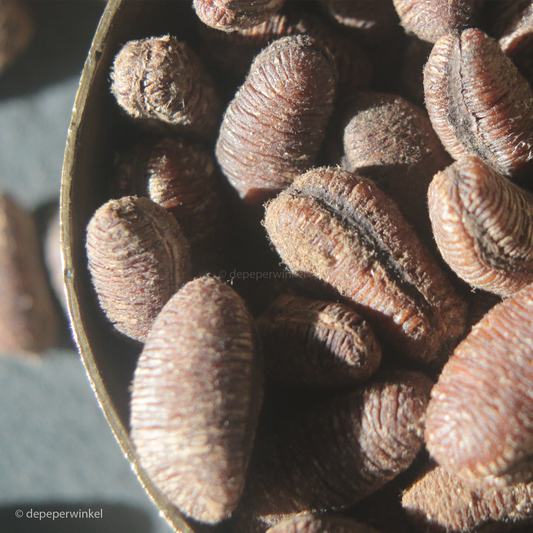 Not available - see explanation
Ehuru (gourdnutmeg) - peeled
Normal price From €4,25 EURNormal priceUnit price per€6,10 EUROffer price From €4,25 EURNot available - see explanation -
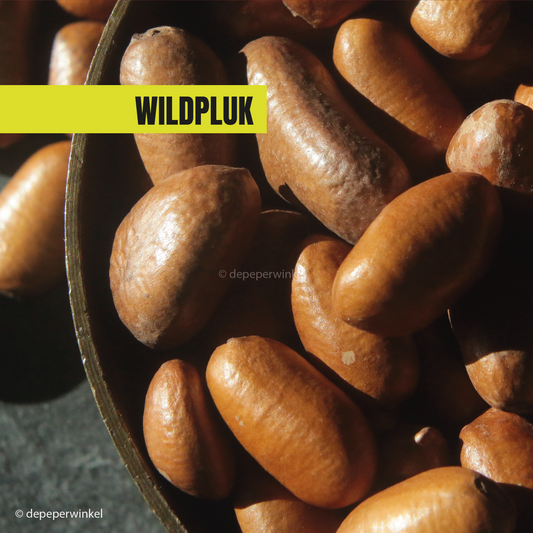
 Not available - see explanation
Ehuru (gourdnutmeg) - not peeled
Normal price From €3,95 EURNormal priceUnit price per -
 Not available - see explanation
Ma khaen - Laotian mountain pepper
Normal price From €6,15 EURNormal priceUnit price €216,67 per kg -
Mac khen - Vietnamese mountain pepper
Normal price From €5,60 EURNormal priceUnit price €186,67 per kg -
Mac mat (Mắc Mật)
Normal price From €4,70 EURNormal priceUnit price €148,89 per kg -
Marjoram (maggiorana)
Normal price From €3,65 EURNormal priceUnit price €182,50 per kg