
depeperwinkel
Banasura pepper GI
Banasura pepper GI
In stock
Unable to load availability for pickup
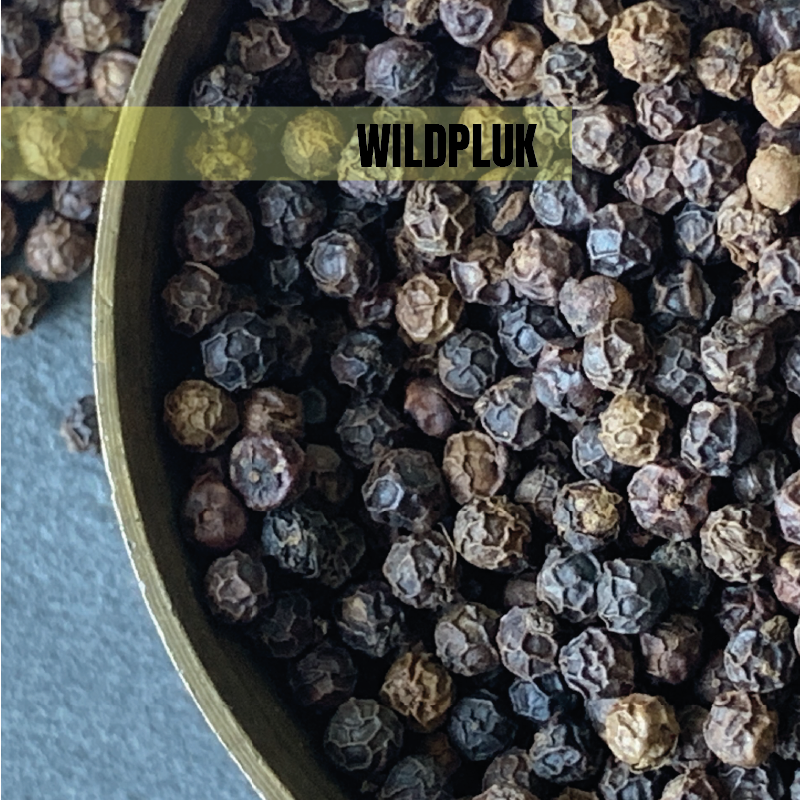
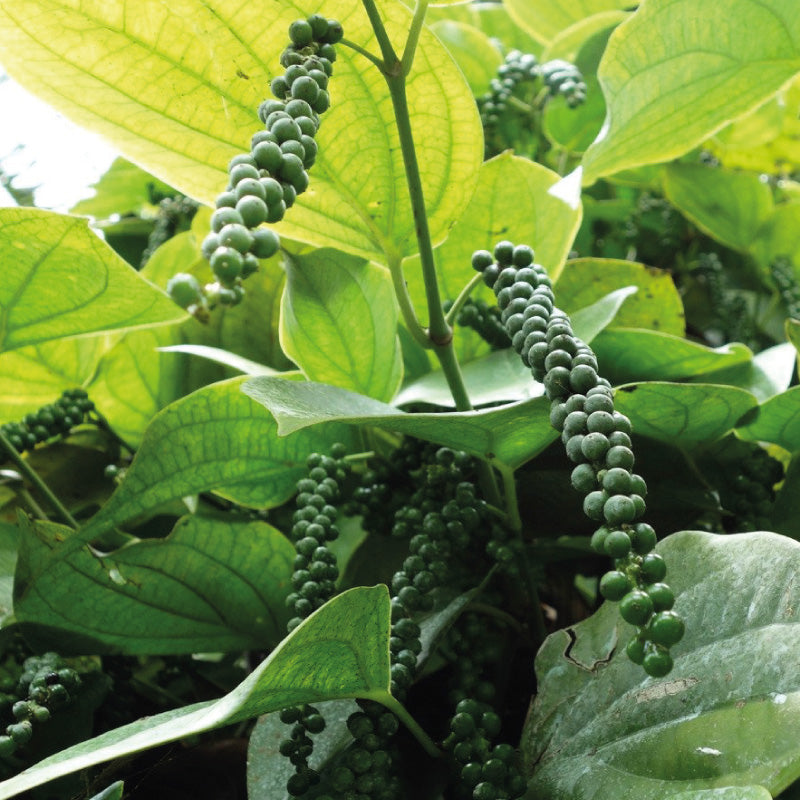
The semi-wild Banasura pepper is the absolute top pepper from the Malabar Coast Strip. It grows in the Western Ghats, in the Wayanad Valley. Banasura pepper is a mild, hot pepper, partly due to the exceptional size of the berry.
In the Wayanad valley grows this authentic
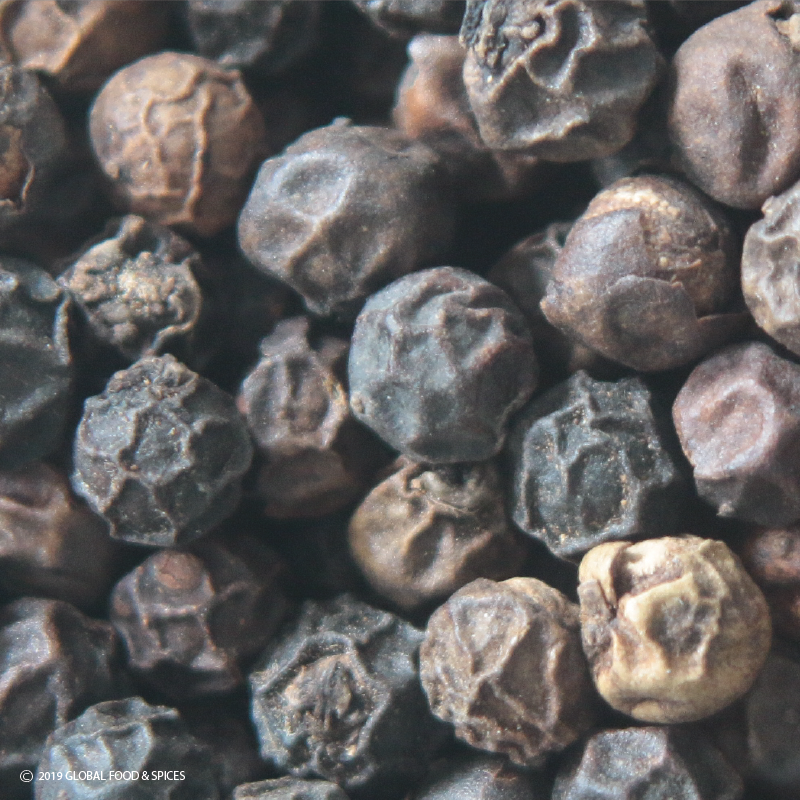
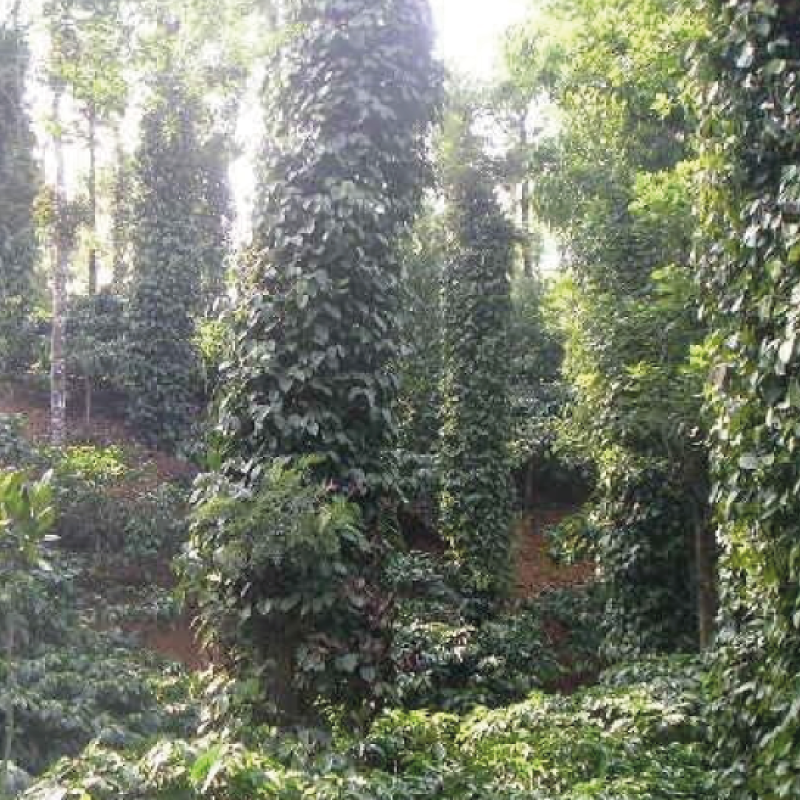
The plants grow to a height of up to 12 meters, which is very exceptional for a pepper. The pepper in Wayanad is a landrace, a cross between the Karimunda and Panniyur varieties. In this unique setting of the valley, the pepper plant has the opportunity to grow into full, starchy berries for longer than usual. This produces a pepper that is deep red to deep brown, rather than black. The aroma is reminiscent of sandalwood. The pepper has been under Indian Geographical Protection since 2006.
Our Banasura pepper is a Tellicherry – a collective name for large peppercorns from the Malabar region – of the TGEB type (Tellicherry Garbled Extra Bold), with a grain size of 4.25 mm or larger. The pepper originates from Pulpally and is organically grown, just like the coffee and cocoa on the plantation. The harvest takes place at the end of winter and the beginning of summer, in late March. The unique growing method makes harvesting, which is done entirely by hand, time-consuming. Furthermore, our pepper is dried in special rooms and not in the sun, which preserves the already exceptional aromas even better.
The pepper is named after Banasura, one of the highest mountains in the Western Ghats of the Wayanad district, Kerala, India. The mountain, in turn, is named after a mythical character from Indian legends. Pulpally is located about forty kilometers from the Banasura Sagar Dam.
Usage
This particularly tasty black pepper is very suitable for general use.
Features:
- 100% peppercorns from the Piper nigrum var karimunda x panniyur
- protected by the Indian GI label (geographic protection)
- semi-wild
- origin: Wayanad valley, Malabar Strip, Western India
Assortment
- available in glass (60 grams), stand-up pouch (various weight classes) and test tube (10 ml)
- glarger quantities than shown on request
Save
- batch number **220238
- best before November 2028 (11-2028)
Would you like to know how this banasura pepper tastes?
You can also try a test tube. The tube contains enough banasura to fathom the flavor essence.
Expiration date - storage advice
Expiration date - storage advice
The stated expiration date is an indication of the shelf life. Because many factors can influence the maintenance of the quality of a spice, you may have to take it sooner or enjoy it for a long time. Trust your senses of smell and taste.
Store spices in a closed container, preferably in a dark, dry and cool place
The batch number that we mention with each product helps us to trace from which supply an item comes.
Dimensions
Dimensions
Onze ziplock-zakken zijn gemaakt van plastics, zo mogelijk van één soort plastic. Biedt ze aan bij het plastic-afval. De potjes zijn een levenlang te gebruiken om uw specerijen of spulletjes in te bewaren. Doet u het glas toch weg, doe het dan in de glasbak.
Allergen information
Allergen information
This product contains no allergens.
Our packaging
Our packaging
We supply this product in a practical twist-off jar (clear glass) of 128ml and in bags. For smaller quantities we use laminated stand-up pouches with ziplock closure, made of PET and PE. The bag is approximately 90% recyclable and is collected with the plastic.
Our two-layer bio-based kraft bags consist of a layer of 60 gram kraft paper and 80 micron PLA plastic. This bag is 100% biodegradable and can be placed in the green bin.
We use our aluminum bags for packaging larger quantities. These three-layer bags are made of laminated 12 micron PET, 7 micron aluminum and 60 micron PE. This combination makes it not possible to fully recycle the bags. These bags must be presented with the other waste.
The test tubes are made of PS plastic, have a diameter of 16 millimeters and a length of 100 millimeters. The caps are made of LDPE.
Share


