depeperwinkel
Cubeb pepper wild picking
Cubeb pepper wild picking
In stock
Unable to load availability for pickup
The Indonesian cubeb is called the 'true cubeb' and originates from the island of Java. It is called a tail or stalk pepper because of the 'tail' on the pepper. Cubeb pepper is spicy, with a slightly bitter undertone, and is not as hot as black pepper.
This cubeb is wild-harvested, naturally free from pesticides.
The cubeb pepper occurs naturally in humid tropical forests and mangrove forests. Originally from Java, it is nowadays also cultivated on the island of Sumatra, and outside Indonesia in Sri Lanka, India, Sierra Leone, and Congo, among others. This wild, unsprayed cubeb, just like our cultivated cubeb, originates from the island of Java.
Traditionally, cubeb pepper has been used in Arab cuisine, which is why it sometimes appears in Ras el Hanout. In the Middle Ages, cubeb pepper was a beloved but exclusive spice in Europe. The use of cubeb in European cuisine came to an end in the 17th century, possibly because the Chinese used it to ward off demons, but more likely due to the strong rise of other
The name cubeb is derived from the Javanese kukumus, a word that was already used in Greek in the 4th century as 'kokamon' and shows that trade with the Javanese was conducted early on, as the Piper cuceba was found only there at that time.
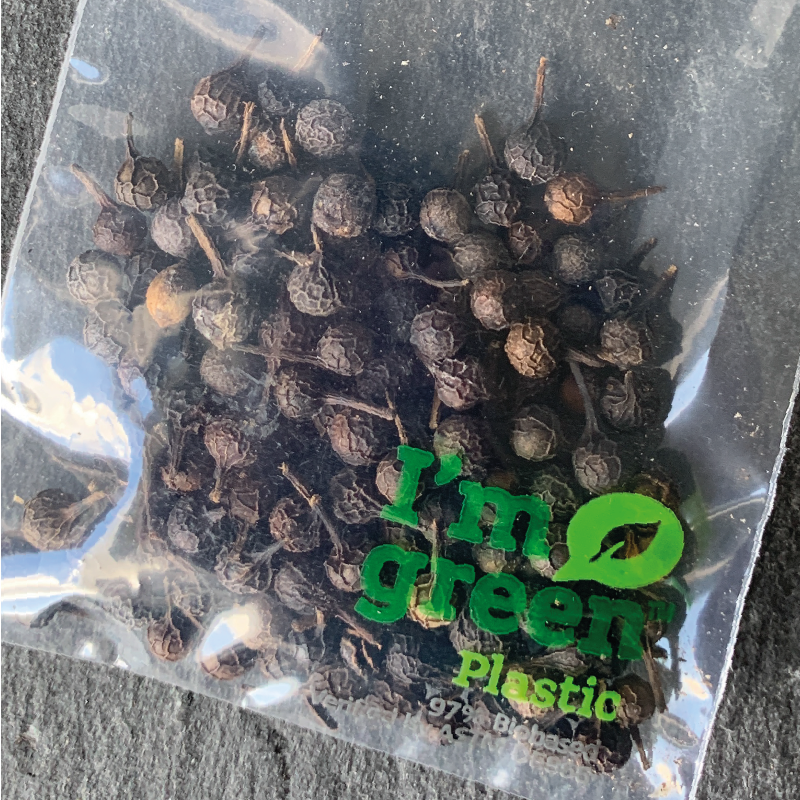
The dried fruits are grey-brown and have a pleasant aroma. They are not very sharp and have a warm aroma in which you can recognize allspice and also nutmeg.
The 'tail' is an unusual outgrowth of the fruit wall (pericarp) that resembles a stalk or twig, but is not one. When the fruits are fully grown but still green and unripe, they are picked tail and all, hence the name tail pepper.
Taste and smell
Cubeb pepper is a true pepper, but differs clearly from black pepper in terms of taste and heat. The heat is lower anyway, but apart from the camphoraceous
This wild cubeb is particularly aromatic.
Usage
In Indonesian cuisine, with meat and vegetables, possibly as a substitute for allspice (and nutmeg), for example in sausages. Cubeb is at its best when simmered for a longer period, such as in stews and soups. Cubeb is also used in pepernoten, although for this purpose—just as in other sweet dishes—the less bitter African cubeb is preferred. Cubeb is used in gin, among other things.
Cubeb, just like black pepper, is used whole, crushed, or ground, always including the tails.
Features:
- 100% peppercorns from Piper cubeba
- origin: Java, Indonesia
Assortment
- available in glass (45 grams) and stand-up pouch (various weight classes)
- glarger quantities than shown on request
Save
- batch number **220238
- best before October 2027 (10-2027)
Expiration date - storage advice
Expiration date - storage advice
The stated expiration date is an indication of the shelf life. Because many factors can influence the maintenance of the quality of a spice, you may have to take it sooner or enjoy it for a long time. Trust your senses of smell and taste.
Store spices in a closed container, preferably in a dark, dry and cool place
The batch number that we mention with each product helps us to trace from which supply an item comes.
Dimensions
Dimensions
Onze ziplock-zakken zijn gemaakt van plastics, zo mogelijk van één soort plastic. Biedt ze aan bij het plastic-afval. De potjes zijn een levenlang te gebruiken om uw specerijen of spulletjes in te bewaren. Doet u het glas toch weg, doe het dan in de glasbak.
Allergen information
Allergen information
This product contains no allergens.
Our packaging
Our packaging
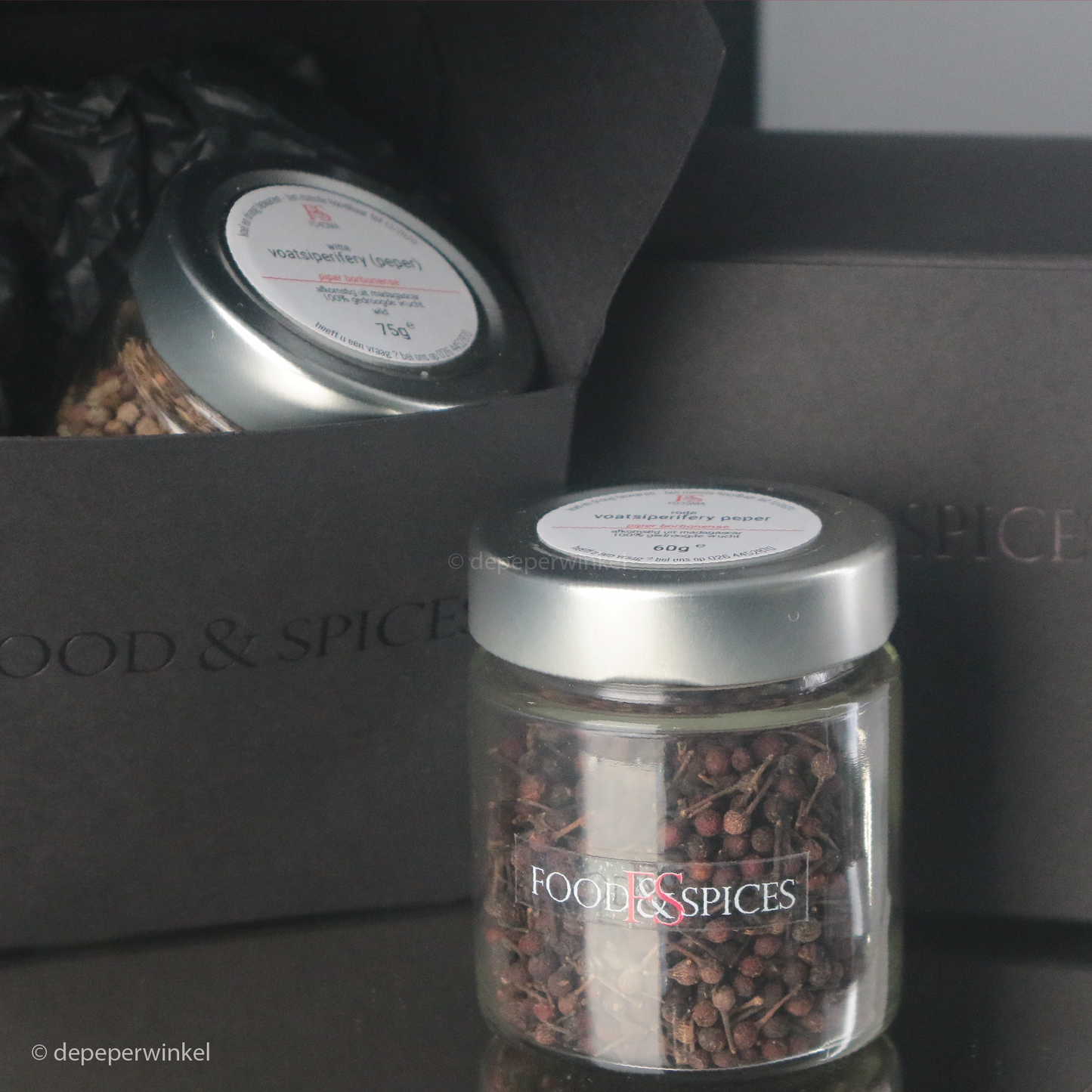
We supply this product in a practical twist-off jar (clear glass) of 128ml and in bags. For smaller quantities we use laminated stand-up pouches with ziplock closure, made of PET and PE. The bag is approximately 90% recyclable and is collected with the plastic.
Our two-layer bio-based kraft bags consist of a layer of 60 gram kraft paper and 80 micron PLA plastic. This bag is 100% biodegradable and can be placed in the green bin.
We use our aluminum bags for packaging larger quantities. These three-layer bags are made of laminated 12 micron PET, 7 micron aluminum and 60 micron PE. This combination makes it not possible to fully recycle the bags. These bags must be presented with the other waste.
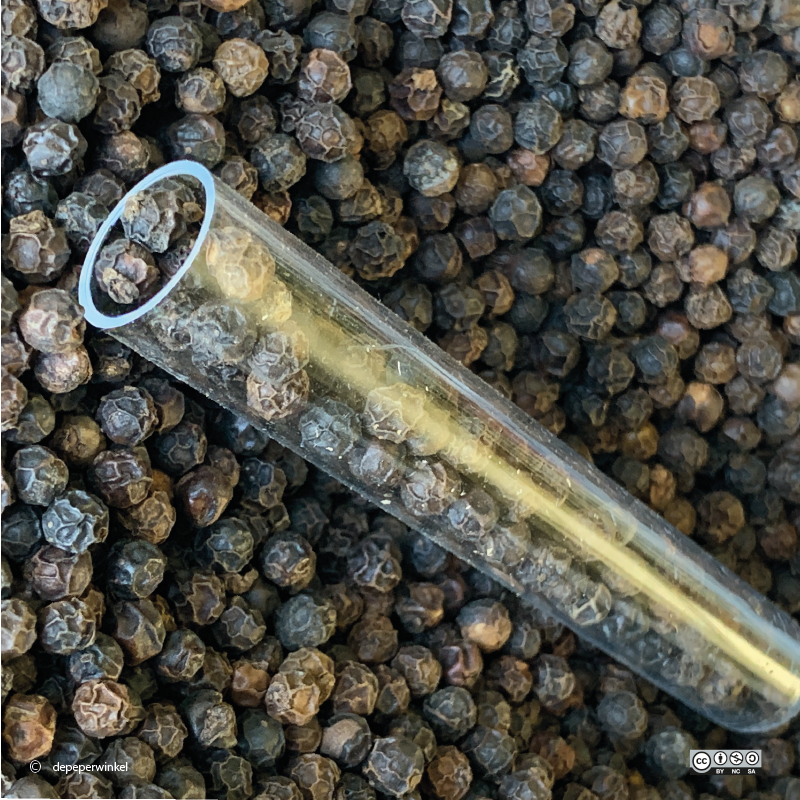
The test tubes are made of PS plastic, have a diameter of 16 millimeters and a length of 100 millimeters. The caps are made of LDPE.
Share