Collection: Masala
The collective name for spice blends from the Indian subcontinent is masala. Recipes are passed down from generation to generation. Usually, the spices are (lightly) roasted, but sometimes also sun-dried. Masala is often added last to preserve the rich aroma. It is a misconception that 'garam' means hot as in sharp or spicy. It means warm, in the metabolic sense of the word. That is why nutmeg and cloves are used, black pepper (India is the home of black pepper for a reason), and no chilipeper.Soortgelijke Spice mixtures are found in Iran (formerly Persia), the Middle East, and Asia Minor, among other places, under the names advieh and baharat. They have in common that the recipes are not uniform. After all, recipes are passed down from generation to generation.
The term garam is of Persian origin, as is mañaleh. It means 'ingredients'.
Garam masala is primarily used in vegetarian dishes. In these, turmeric is often absent. After all, in principle, garam masala is not 'curry'. Nevertheless, turmeric is used in large quantities in ready-made garam masala because Western expectations are—apparently—tuned to the yellow coloring.
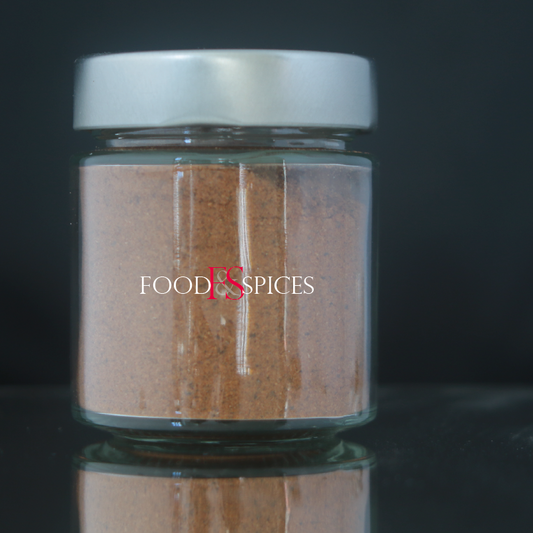
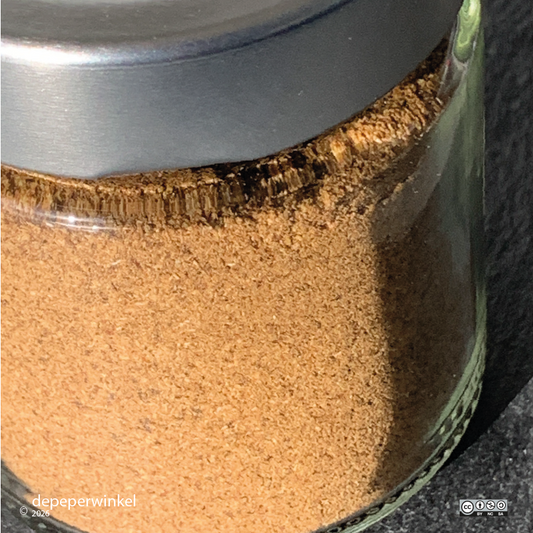
In our shop, we offer you three masalas of British origin; not without reason: of all European countries, the United Kingdom has the closest ties to the Indian subcontinent and by far the largest population of Indian residents. Here they are:
- garam masala
- Punjabi masala
- Kashmiri masala

 Offer
Offer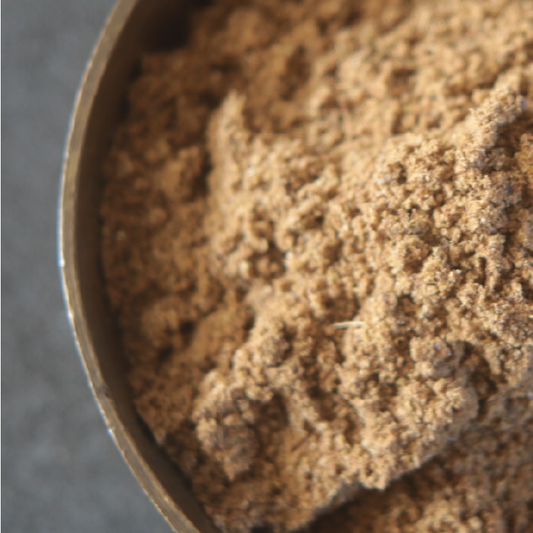
 Offer
Offer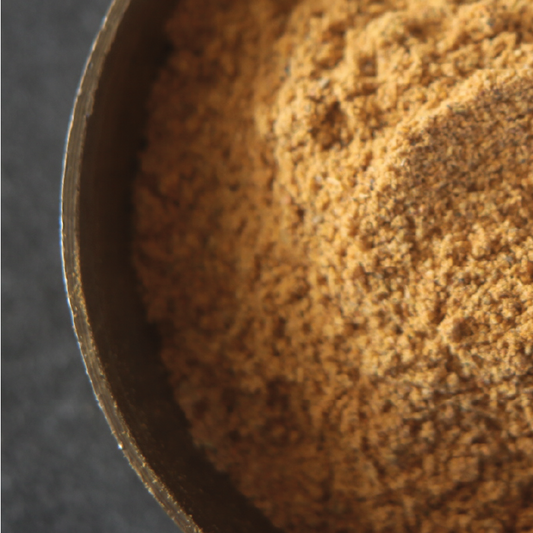
 Offer
Offer
