depeperwinkel
Canelo pepper (pepe canelo)
Canelo pepper (pepe canelo)
In stock
Unable to load availability for pickup
This Chilean pepper The variety named pepe canelo, or simply canelo, is closely related to Tasmanian mountain pepper and has similar culinary credentials.
The Tasmanian pepper was formerly classified in the plant genus Drymis, just like the pepe canelo, nowadays to the genus Tasmannia.
The canelo is an evergreen shrub or a cone-shaped tree, depending on the conditions, and is found in Chile and Argentina. In drier areas, it will be a shrub 3 to 5 meters tall, while in the rainy, cold southern regions, it grows as a tree and reaches a height of 25-30 meters.
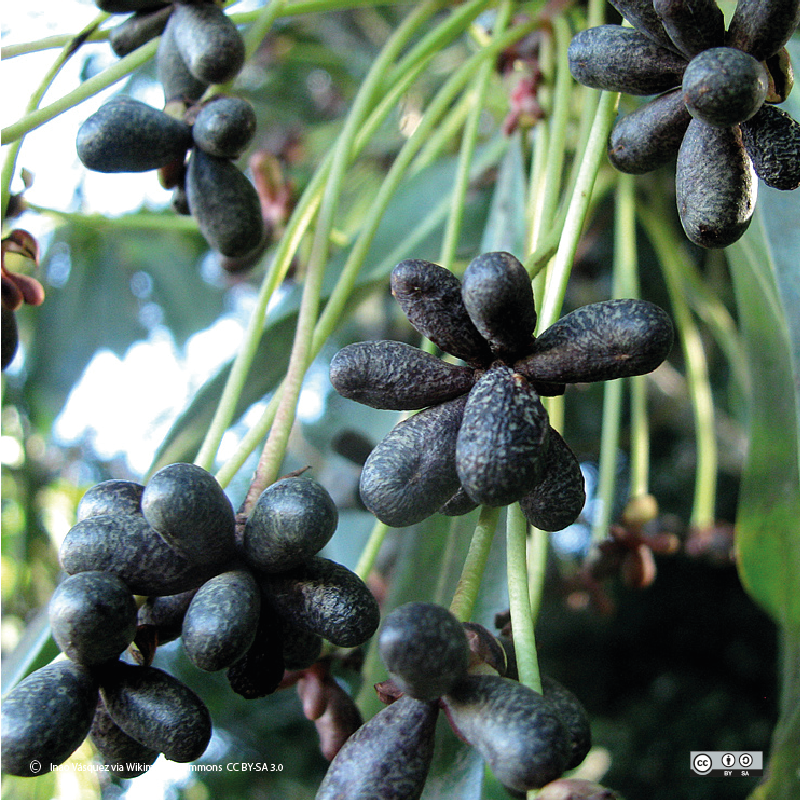
The leaves, like the bark, are aromatic. They have smooth edges and are often blue-green on the underside. The solitary, stalked flowers are arranged in clusters along the stem. Each ivory-white flower can be up to four centimeters in diameter, with a variable number of petals (four to twenty). The numerous stamens surround four or more free carpels, which develop into blue fleshy berries called pepe canelo. which are likely spread by birds.
The tree is usually planted at places of sacrifice, called rehues. For the Mapuche, the canelo symbolizes the cosmic axis; its roots go deep into the earth towards the underworld. Beneath the roots, all weapons and differences are removed; therefore, only the truth can be spoken under the tree. The branches of the canelo are said to grow from the trunk in four cross-shaped units, thereby symbolizing peace.
You think Mapuche, That sounds familiar. Certainly, our brand also comes from the Mapuche; in fact, that is their trademark!
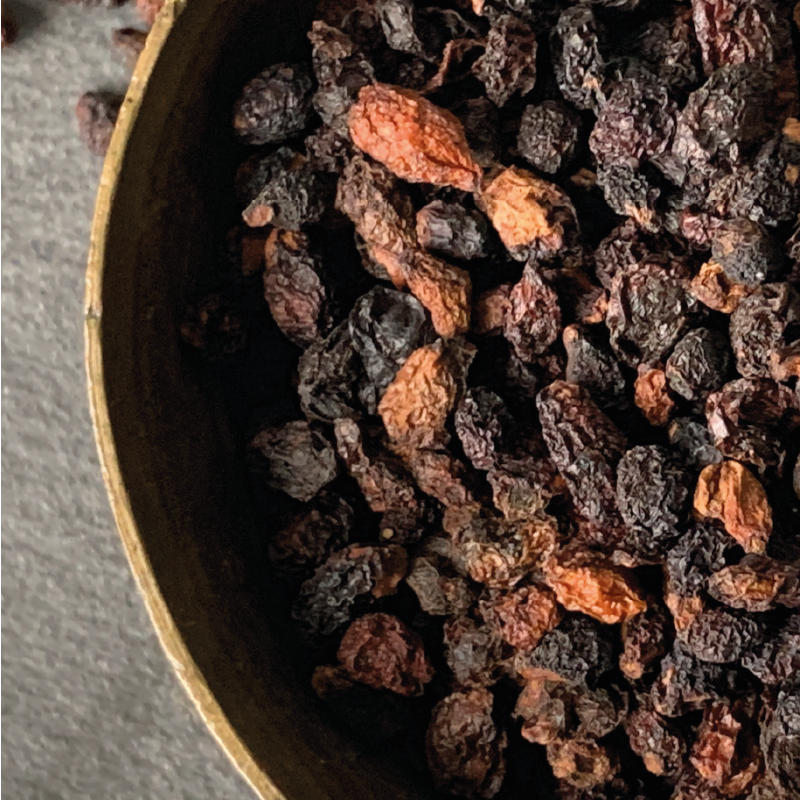
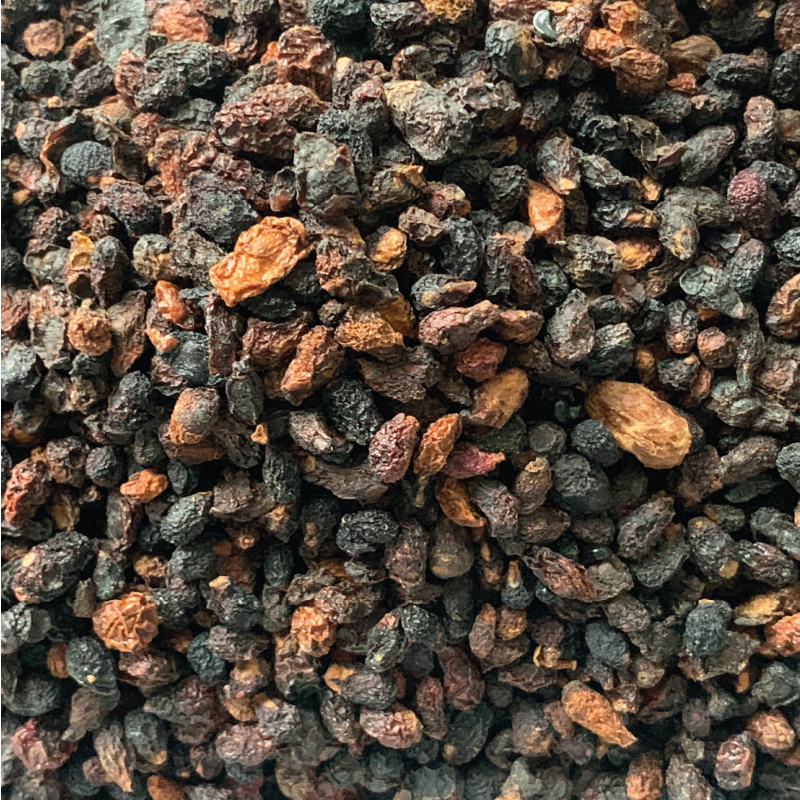
All parts of the plant are edible, including the bark and leaves. The fruit, known as pepe canelo or canelo pepper, is a delicacy. The fruit, a small berry, initially tastes sweet and fruity, reminiscent of cinnamon—hence the name—but after a short time develops a sharpness that, like sanshol, gently numbs. The substance responsible for this is polygodial, a sesquiterpene dialdehyde also present in Tasmannia fruits, and drimenol.
Usage
Canelo is rarely used fresh; it is dried to best preserve the aroma. The dried berries are used in both sweet and savory recipes. They pair well with red meat, game, and stews, and combine well with exotic fruits such as pineapple, mango, or papaya, and even with chocolate.
Just like with others
It is wise to be careful with the dosage, especially when freshly ground pepper is sprinkled over food.
Try adding a few grains to your gin or gin cocktail; preferably let them soak in some gin beforehand.
Scent and taste
Among the aromatic components, you will find many that are also found in black pepper, with the exception of safrole, which provides the unmistakable cinnamon accent to which the plant owes its popular name. In canelo, just like in Tasmanian pepper, you taste myrtle and nutmeg, but also juniper, with which it combines well.
- alpha-pinene (11%)
- beta-pinene (17.4%)
- beta-caryophyllene, also occurring in oregano, clove, lavender and hemp, and
- bicyclogermacen-D (4.4%), responsible for the wood scent,
- limonene (5%), with the characteristic citrus scent, and
- alpha-phellandrene (approx. 2%), also known as eucalyptus
Features:
- 100% fruits of the Drymis winteri
- origin: Patagonia, Chile
Assortment
- available in glass (60 grams), stand-up pouch (various weight classes)
- glarger quantities than shown on request
Save
- batch number **220238
- best before September 2027 (09-2027)
Expiration date - storage advice
Expiration date - storage advice
The stated expiration date is an indication of the shelf life. Because many factors can influence the maintenance of the quality of a spice, you may have to take it sooner or enjoy it for a long time. Trust your senses of smell and taste.
Store spices in a closed container, preferably in a dark, dry and cool place
The batch number that we mention with each product helps us to trace from which supply an item comes.
Dimensions
Dimensions
Onze ziplock-zakken zijn gemaakt van plastics, zo mogelijk van één soort plastic. Biedt ze aan bij het plastic-afval. De potjes zijn een levenlang te gebruiken om uw specerijen of spulletjes in te bewaren. Doet u het glas toch weg, doe het dan in de glasbak.
Allergen information
Allergen information
This product contains no allergens.
Our packaging
Our packaging
We supply this product in a practical twist-off jar (clear glass) of 128ml and in bags. For smaller quantities we use laminated stand-up pouches with ziplock closure, made of PET and PE. The bag is approximately 90% recyclable and is collected with the plastic.
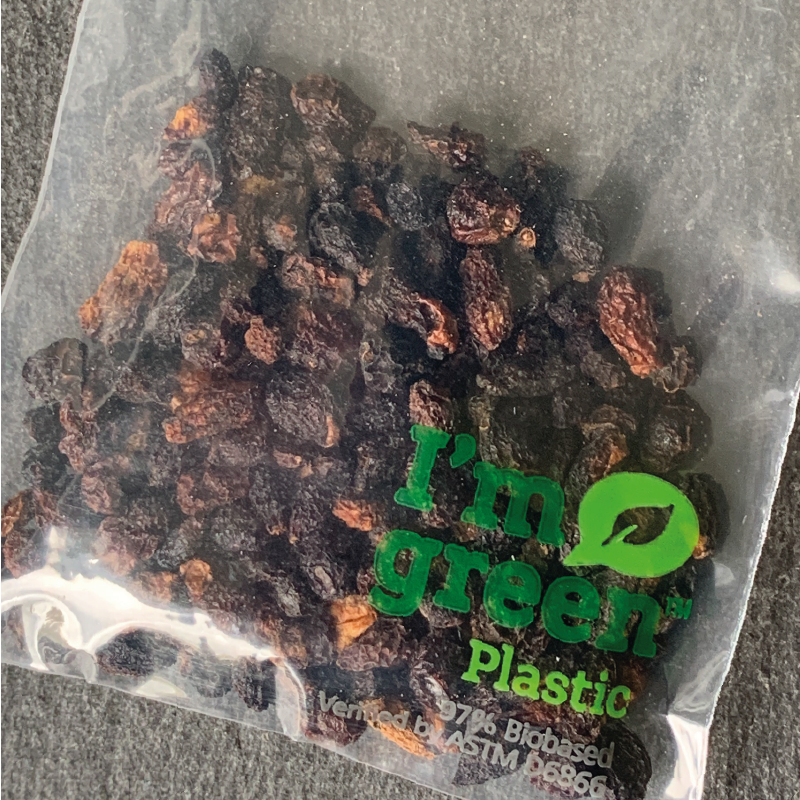
Our two-layer bio-based kraft bags consist of a layer of 60 gram kraft paper and 80 micron PLA plastic. This bag is 100% biodegradable and can be placed in the green bin.
We use our aluminum bags for packaging larger quantities. These three-layer bags are made of laminated 12 micron PET, 7 micron aluminum and 60 micron PE. This combination makes it not possible to fully recycle the bags. These bags must be presented with the other waste.
The test tubes are made of PS plastic, have a diameter of 16 millimeters and a length of 100 millimeters. The caps are made of LDPE.
Share