

depeperwinkel
Maqaw (magao) - pheasant pepper
Maqaw (magao) - pheasant pepper
In stock
Unable to load availability for pickup
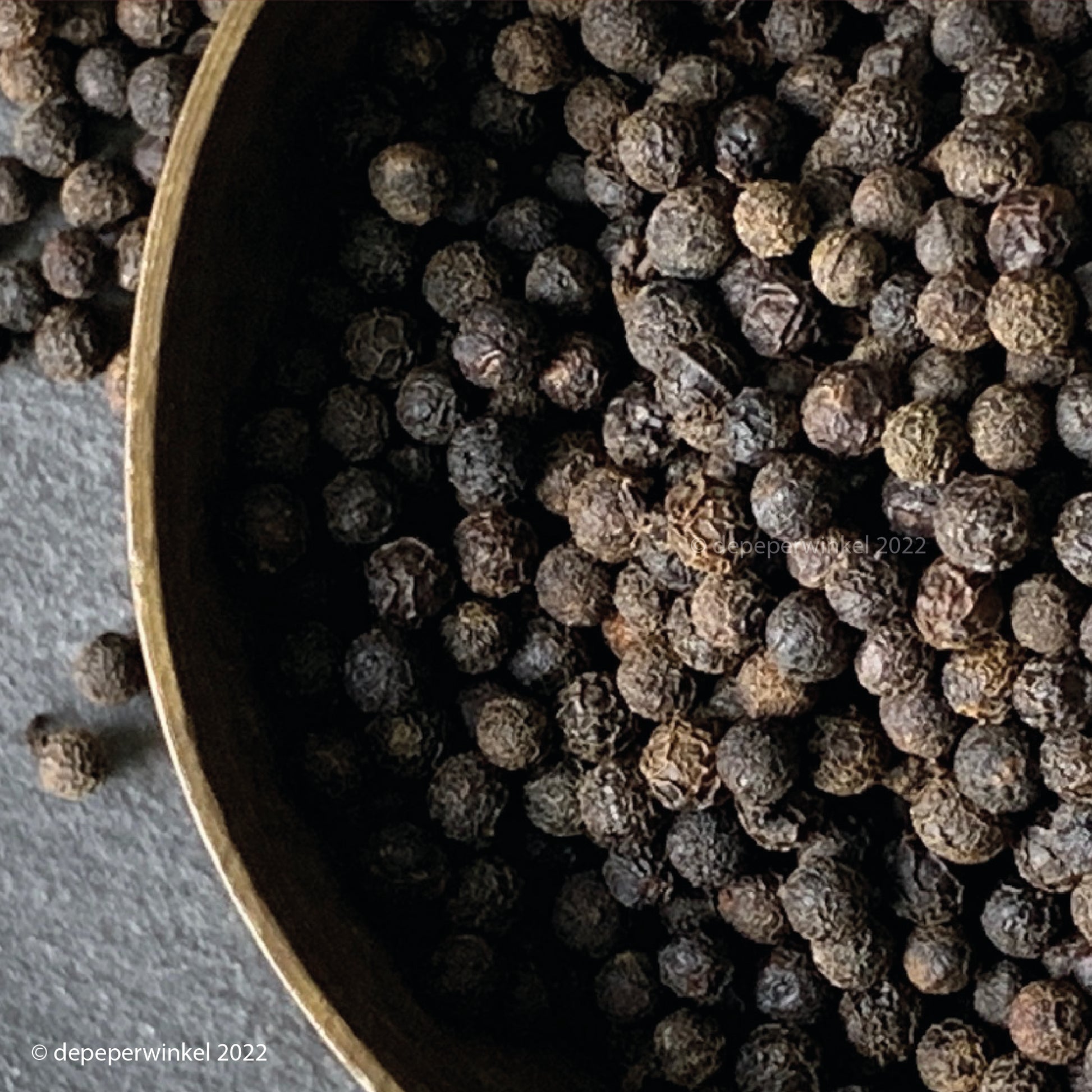
The dried berry of Litsea cubeba is sometimes called a pepper berry, but it is not one, as it contains no pungent substance. Nevertheless, it is considered a chili pepper and traditionally used as such, which is why it has been included in Slow Food's Ark of Taste.
New harvest! Deliciously lemony.
This Litsea cubeba is also known as the lemon pepper, not to be confused with the spice mix sold as a ready-made mix for fish dishes.
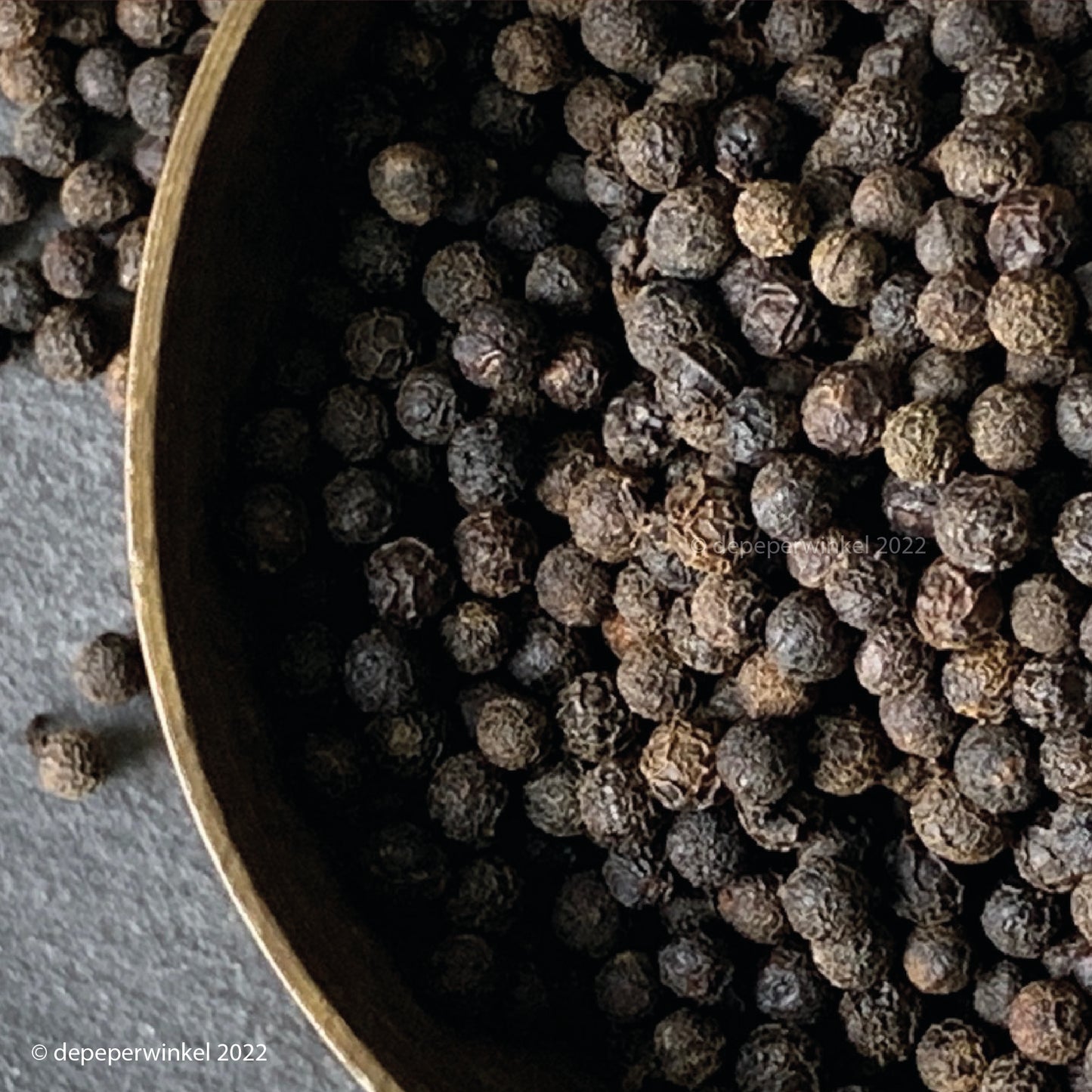
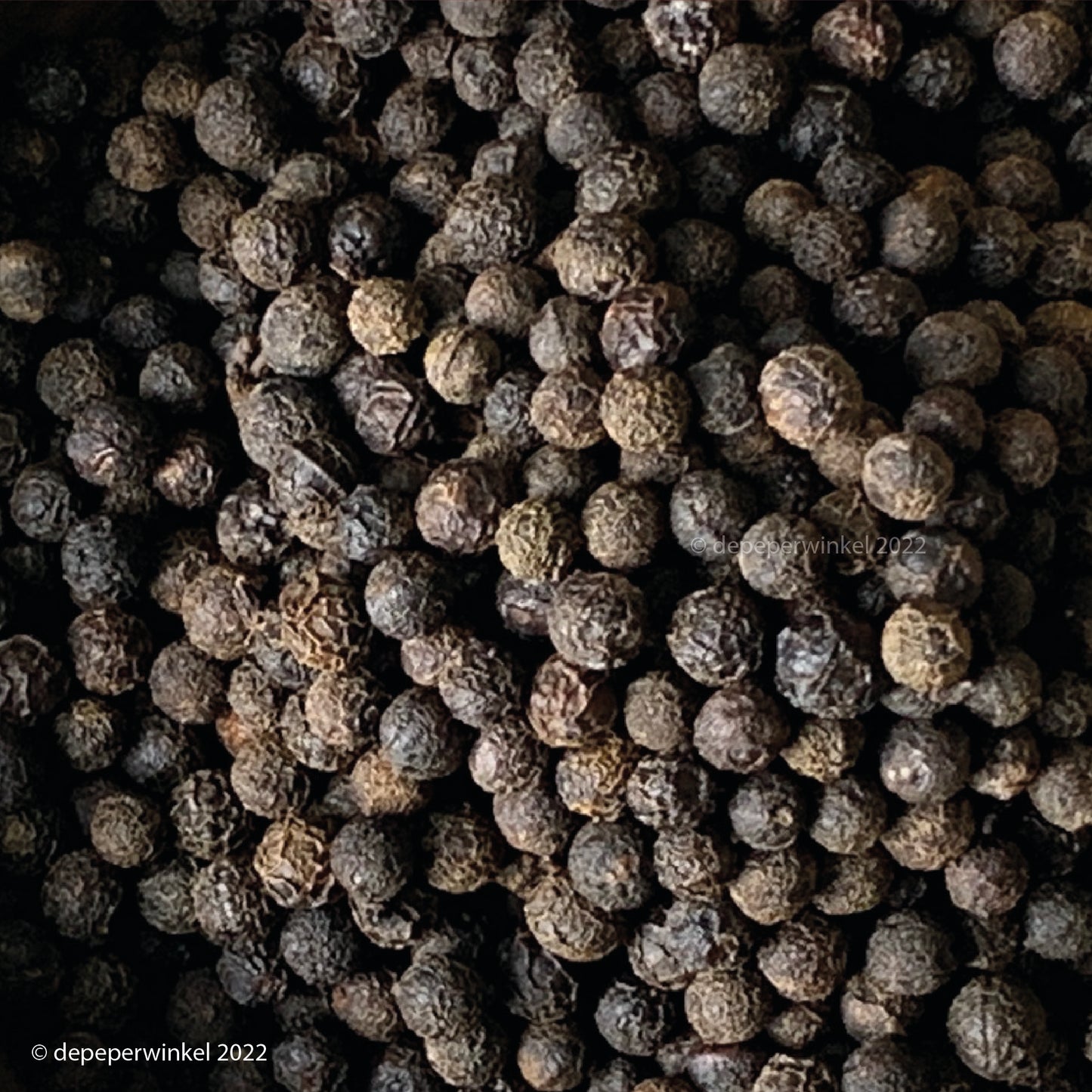
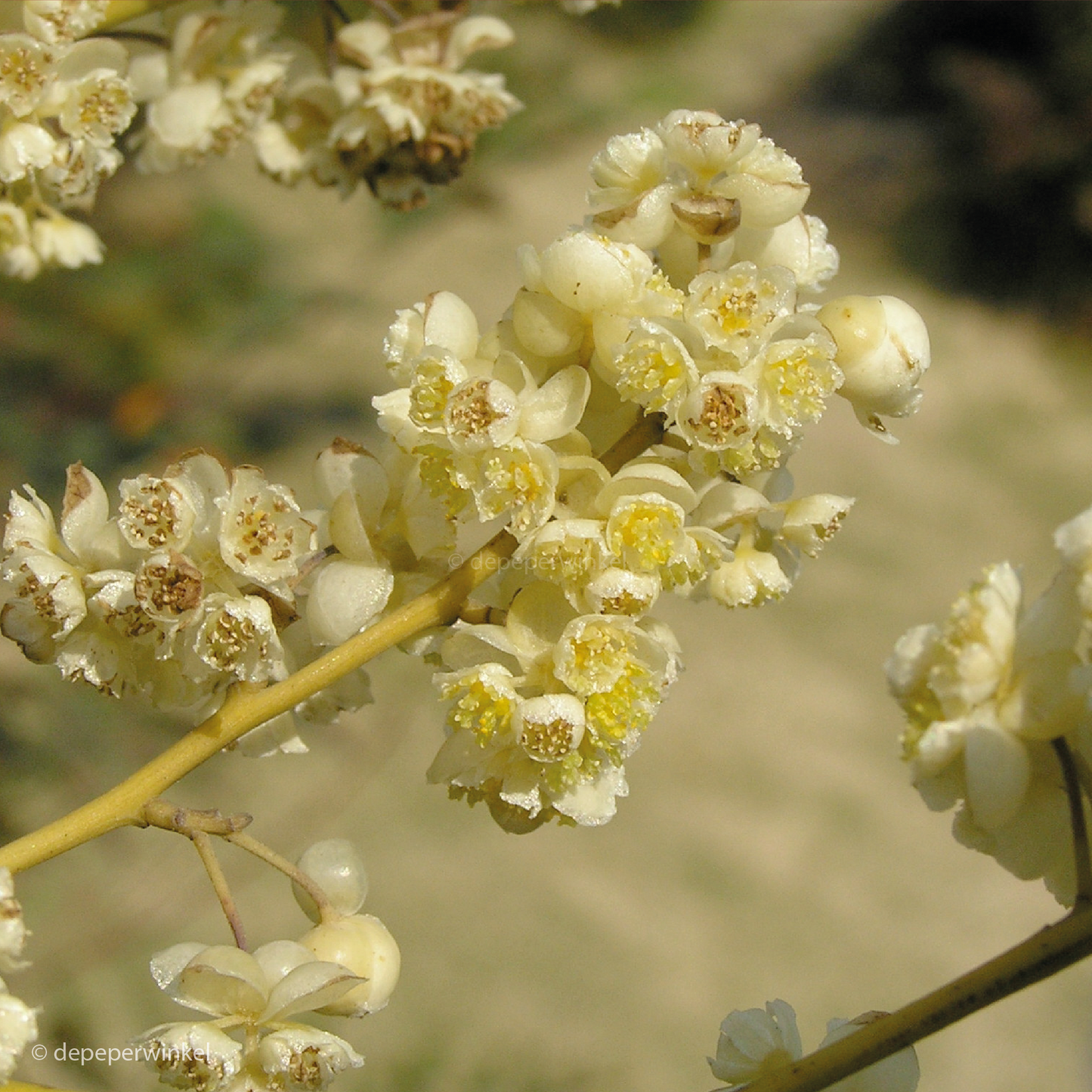
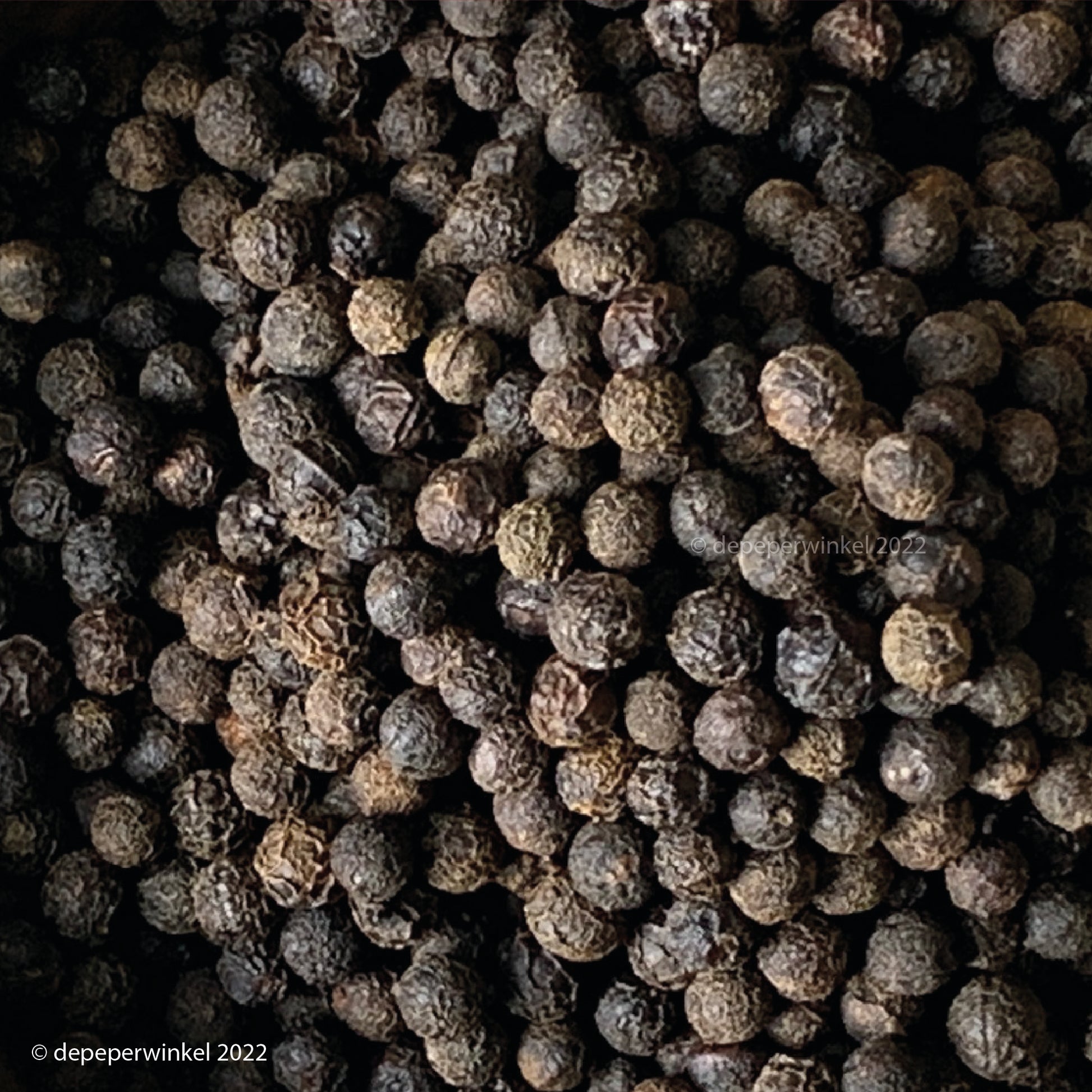
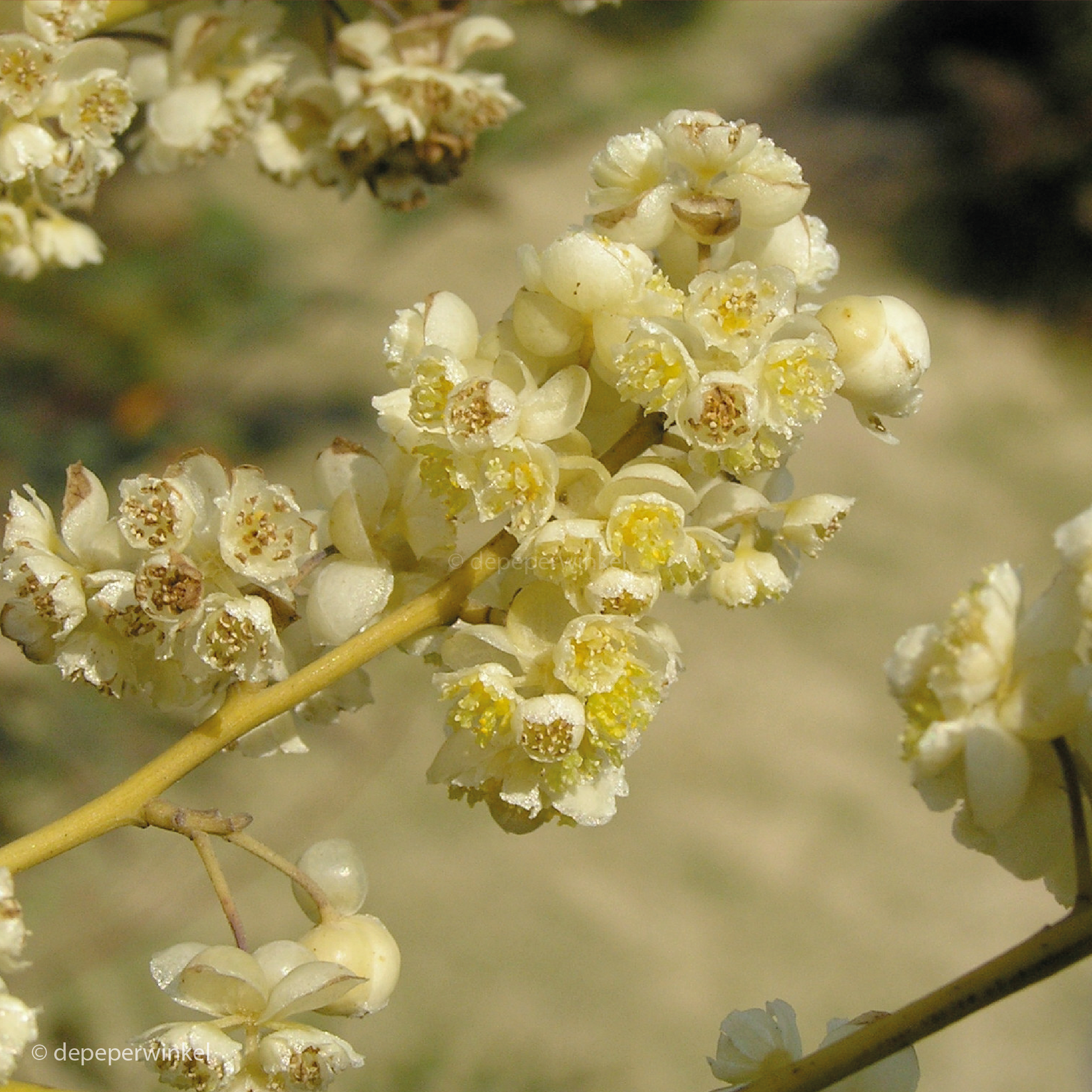
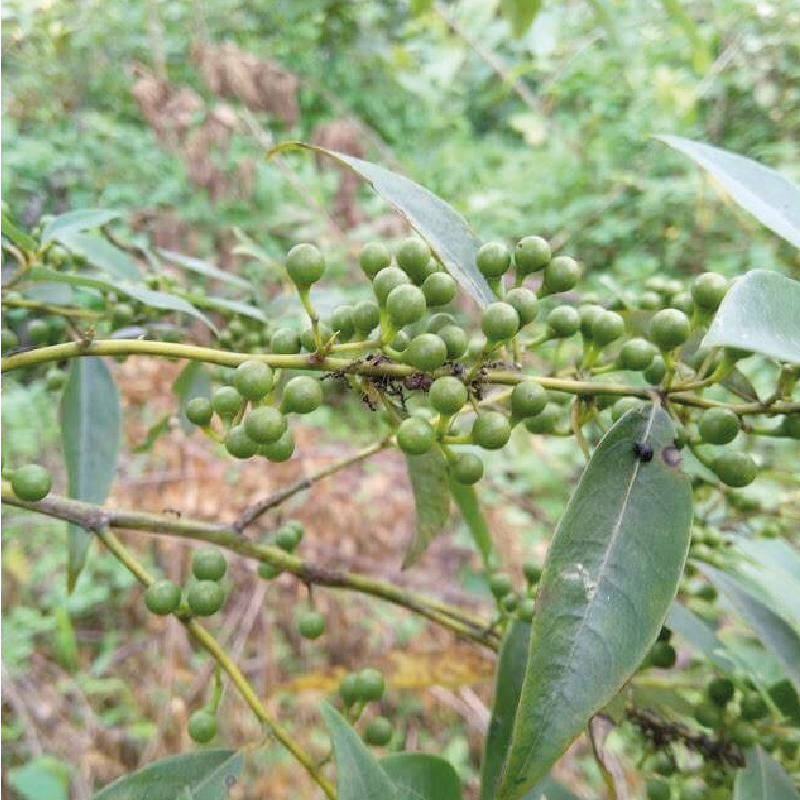
Litsea cubeba is a 5-8 meter tall tree or shrub with light yellow flowers. In summer, the 5 mm fruits develop, which are picked or collected when ripe and dried. The red fruits then turn rust-brown to black, just like pepper.
The name maqaw – 馬告 – originates from Taiwan, where the berries have been used as a spice for thousands of years by the Atayal and the Saisyat, two indigenous peoples there. It means "full of vitality"; the berry is known as the 'black pearl'.
Maqaw grows at altitudes of 100 to 1,500 meters in Taiwan, the Himalayas in northern India, Thailand, Nepal, and Vietnam, southern China, and Borneo (Sarawak and Kalimantan), where the spice is a specialty, just as in Taiwan.
Our maqaw does not come from Taiwan, but from the province of Quảng Ngãi in Vietnam, where it is called sả rừng (lemongrass), and where it is picked in July by the Hre and K'dong ethnic minorities in the mountainous districts of the province. The common Vietnamese name, by the way, is màng tang.
Scent and make
The berries are rich in essential oils, which provide a warm, pleasant scent and taste experience.
They look like peppercorns, but have a flavor containing hints of pepper, lemongrass, thyme, ginger, and citrus fruits. The combination of citral and citronellal provides the citrus notes, alpha- and beta-pinene a cedar flavor, and eucalyptus a woody, light camphor taste.
Although the flavor profile shows a strong resemblance to that of siltimur, the taste is distinctly different; in siltimur, the aroma of cedar dominates, while in maqaw, that of grapefruit.
In many publications, the taste is characterized as pleasantly peppery with lemongrass notes; the former is undoubtedly true, but as far as lemongrass is concerned, the maqaw certainly falls short compared to the African variety. mbongo
These are the main essential oils in the fruit:
- citral, as in lemon and grapefruit
- citronellal, lime leaf (kaffir lime), as in lemongrass and juniper.
- β-pinene, woody pine scent (cedar), as in cumin, pine (pinecone), juniper and hemp,
- eucalyptol (cineol-1.8), spicy, minty flavor, as in sage and rosemary
- geraniol, rose scent
- safrole, sweet and spicy with anise notes
Combines excellently with cardamom, bay leaf, mint, licorice, thyme, cinnamon, and lemon.
Usage
Use maqaw as a seasoning with red and white meat (pork, for example), duck, fish, or shellfish. It can also be used in desserts, cookies, and in or in combination with chocolate. Just a few berries are enough for a delicious decaffeinated tea. If you want to make Taiwanese-style tea with it, use 2 grams per 2.5 dl.
In Quảng Ngãi, they steam snails with maqaw instead of lemongrass, which is more common in Vietnam. Another specialty is a water buffalo stir-fry with garlic, maqaw, and a tiny bit of sugar.The thinly sliced water buffalo meat is rubbed with a rub of these spices, then stir-fried with some finely chopped onion and seasoned with black pepper and a little salt.
Maqaw as (pheasant) pepper with fish? Much touted, but you will find that maqaw cannot compete with fish against a simple combination of thyme and lemon zest, or a combination of galangal, lemongrass, and kaffir lime. But try it in mayonnaise and serve that with fish! The secret? The oil in the mayonnaise brings out the flavors of the maqaw—just like rice wine does.
Make this maqaw mayonnaise yourself, using 2-3 grams of maqaw per dl of oil, and finally add some sweet basil leaves to serve with fish.
Maqaw pineapple cakes are cube- or diamond-shaped cakes with a filling of fresh pineapple. The diamond shape is a traditional motif of the Atayal tribe, which they regard as the eyes of the ancestors watching over us. The maqaw is incorporated into the filling, and a single berry is pressed into the cake as a 'teardrop'.
Later this week, a new recipe on the site for cashews with maqaw!
Features:
- 100% berries from the Litsea cubeba,
- hand-picked in the wild
- origin: Quảng Ngãi, Vietnam
Assortment
- available in glass (45 grams), stand-up pouch and test tube (10 ml)
- Larger quantities on request
Gift packaging
- The jar is available in tasteful gift packaging, consisting of a cube box filled with black tissue paper.
- For an overview of our gift packaging, please refer to the gift packaging section.
General advice
- Maqaw is used whole, bruised, or ground.
- The taste can be dominant (citrus-slightly bitter), adjust the dosage accordingly.
Save:
- Store your pheasant pepper in a closed package.
- preferably store in a dark, dry and cool place
- best before January 2028 (01-2028)
- This expiration date is an indication.
Would you like to know what maqaw tastes like?
Batch number
The batch number helps us trace which supply an item originated from. It is listed on the packing slip and the invoice.
Expiration date - storage advice
Expiration date - storage advice
The stated expiration date is an indication of the shelf life. Because many factors can influence the maintenance of the quality of a spice, you may have to take it sooner or enjoy it for a long time. Trust your senses of smell and taste.
Store spices in a closed container, preferably in a dark, dry and cool place
The batch number that we mention with each product helps us to trace from which supply an item comes.
Dimensions
Dimensions
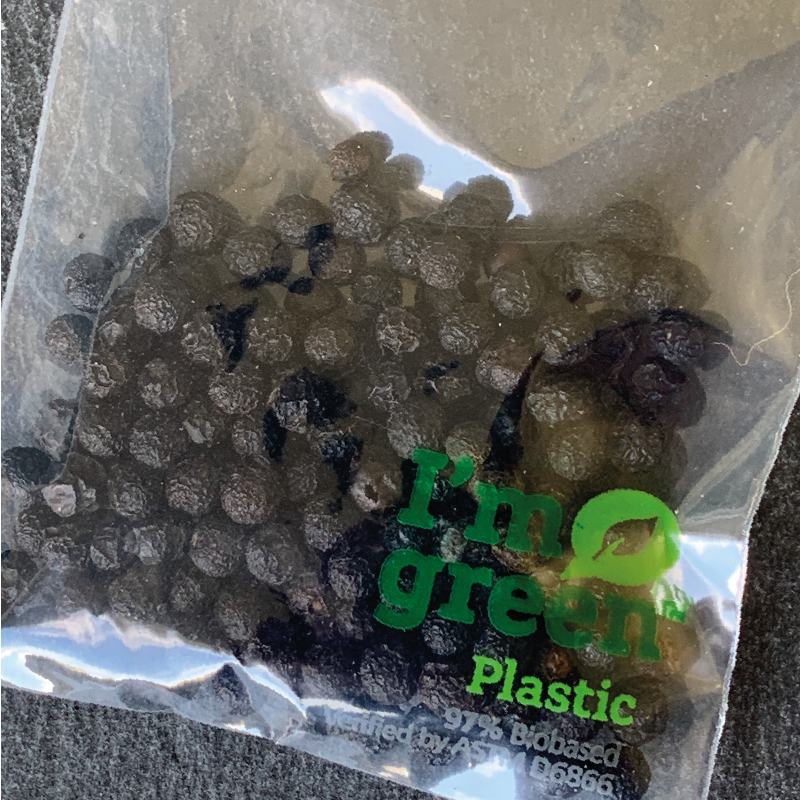
Onze ziplock-zakken zijn gemaakt van plastics, zo mogelijk van één soort plastic. Biedt ze aan bij het plastic-afval. De potjes zijn een levenlang te gebruiken om uw specerijen of spulletjes in te bewaren. Doet u het glas toch weg, doe het dan in de glasbak.
Allergen information
Allergen information
This product contains no allergens.
Our packaging
Our packaging
We supply this product in a practical twist-off jar (clear glass) of 128ml and in bags. For smaller quantities we use laminated stand-up pouches with ziplock closure, made of PET and PE. The bag is approximately 90% recyclable and is collected with the plastic.
Our two-layer bio-based kraft bags consist of a layer of 60 gram kraft paper and 80 micron PLA plastic. This bag is 100% biodegradable and can be placed in the green bin.
We use our aluminum bags for packaging larger quantities. These three-layer bags are made of laminated 12 micron PET, 7 micron aluminum and 60 micron PE. This combination makes it not possible to fully recycle the bags. These bags must be presented with the other waste.
The test tubes are made of PS plastic, have a diameter of 16 millimeters and a length of 100 millimeters. The caps are made of LDPE.
Share