Collection: Our "pseudo" <tc>pepper</tc>s
Pseudopepers are often called "false"
In several countries, such pseudo
The differences between the botanically different
We take you on a world trip with our pseudo

-
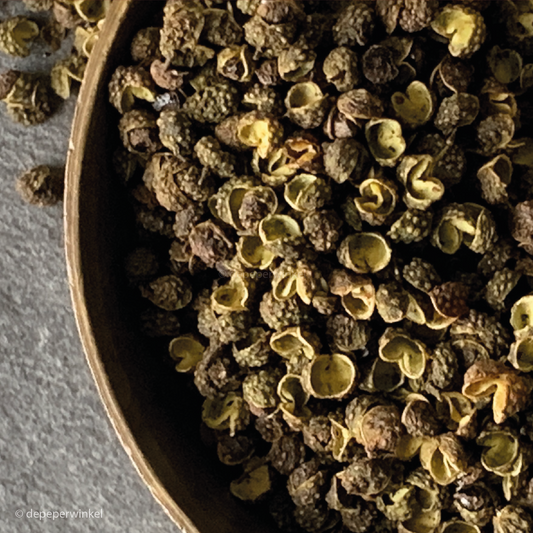
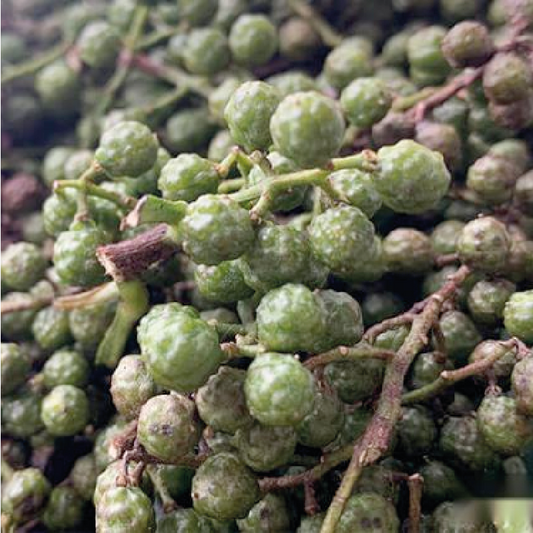
Andaliman (premium Batak <tc>pepper</tc>)
Normal price From €4,70 EURNormal priceUnit price €313,33 per kg -
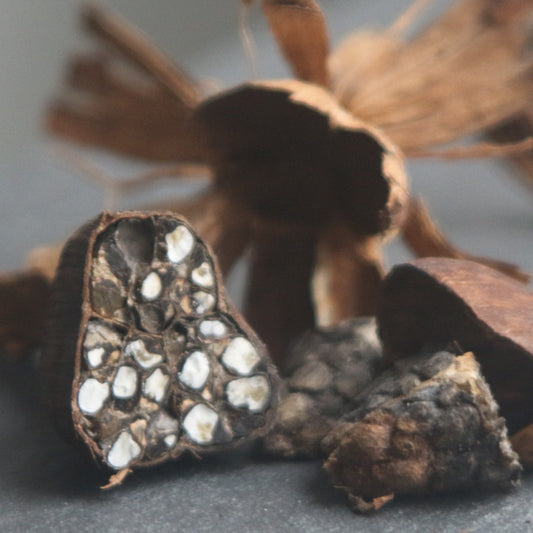
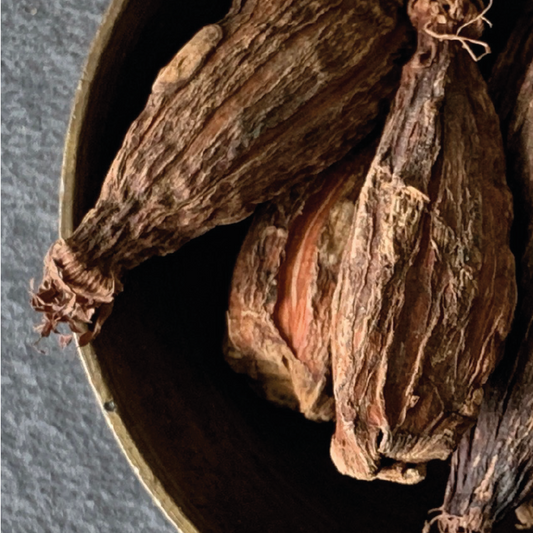
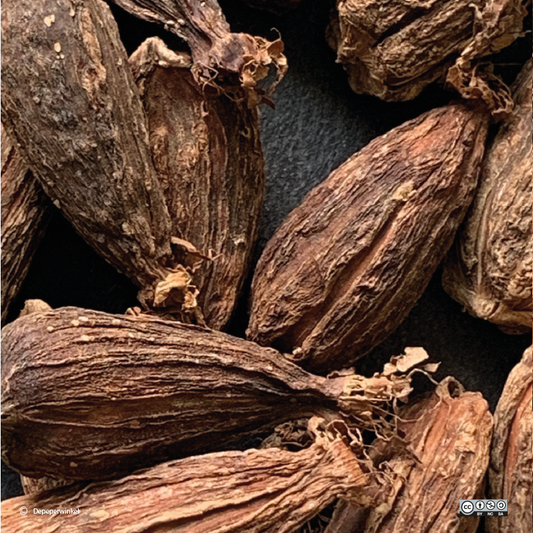
Mbongo (pods)
Normal price From €5,25 EURNormal priceUnit price €165,56 per kg -
Tasmanian <tc>pepper</tc> (bush<tc>pepper</tc>)
Normal price From €9,85 EURNormal priceUnit price €340,00 per kg -
Maqaw (magao) - pheasants<tc>pepper</tc>
Normal price From €3,95 EURNormal priceUnit price €126,67 per kg -
Selim (kani <tc>pepper</tc>)
Normal price From €4,40 EURNormal priceUnit price €140,00 per kg -
Paradise grain
Normal price From €5,25 EURNormal priceUnit price €155,00 per kg -
Mac khen - Vietnamese mountain<tc>pepper</tc>
Normal price From €5,60 EURNormal priceUnit price €198,33 per kg -
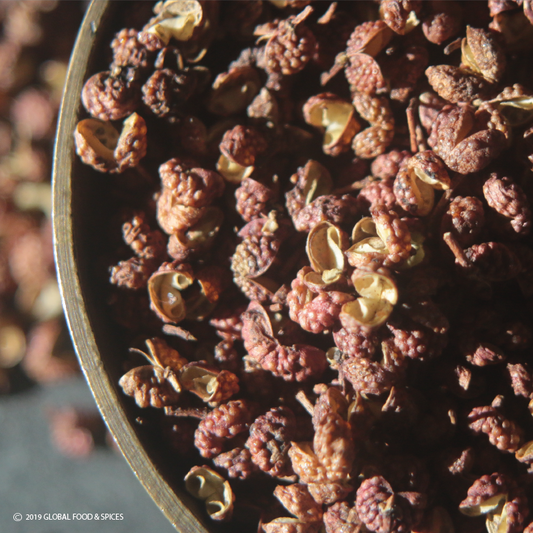
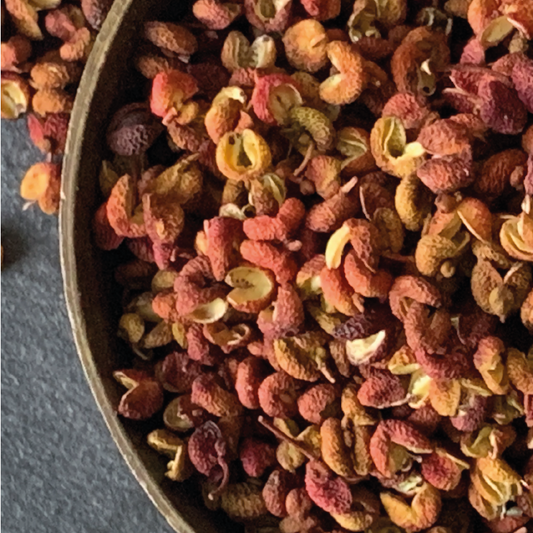
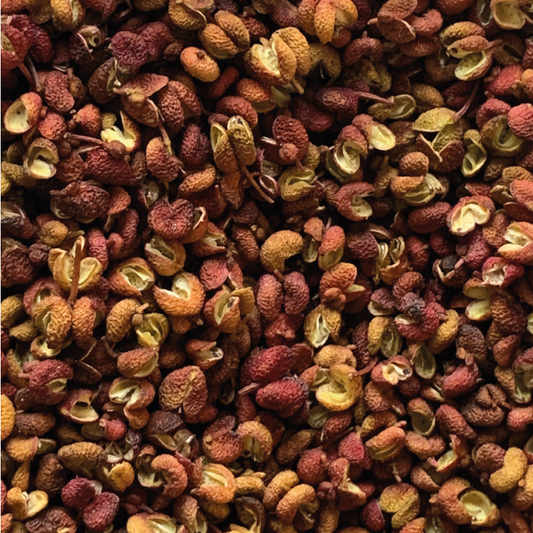
Red Szechuan<tc>pepper</tc> Huā jiāo
Normal price From €5,45 EURNormal priceUnit price €193,33 per kg -
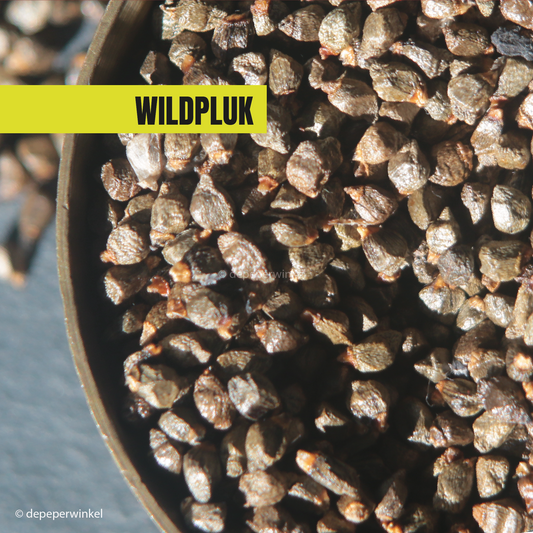
Mbongo (grain)
Normal price From €4,90 EURNormal priceUnit price €145,00 per kg -
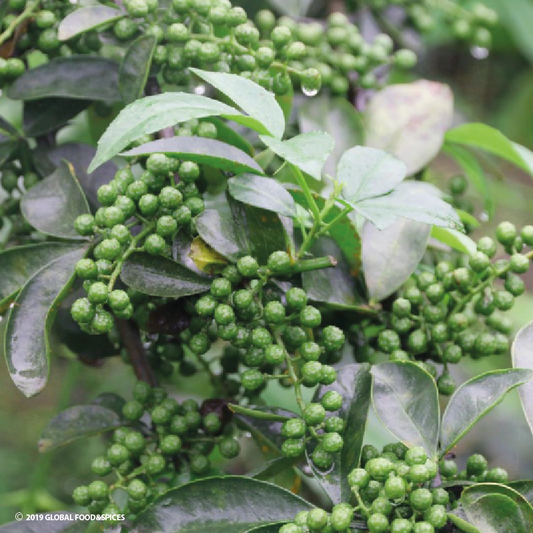
Green Szechuan <tc>pepper</tc> Qīng huā jiāo
Normal price From €5,65 EURNormal priceUnit price €200,00 per kg -
 Not available - see explanation
Red Sansho <tc>pepper</tc>
Normal price €12,75 EURNormal priceUnit price €425,00 per kg€15,30 EUROffer price €12,75 EURNot available - see explanation -
 Not available - see explanation
Ma khaen - Laotian mountain<tc>pepper</tc>
Normal price From €6,15 EURNormal priceUnit price €216,67 per kg -
Grain of Paradise (pods)
Normal price From €6,05 EURNormal priceUnit price €188,89 per kg -
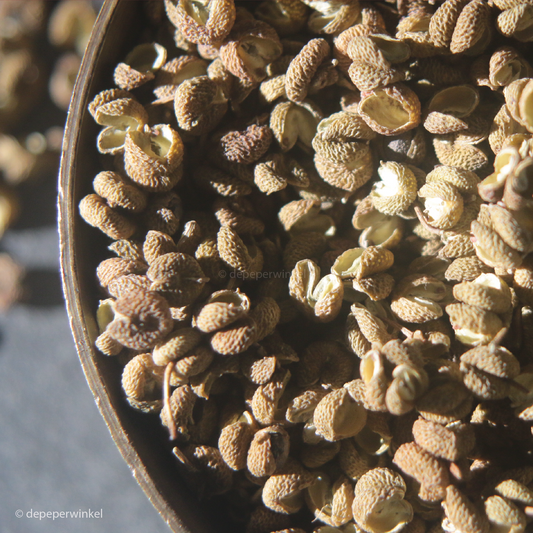
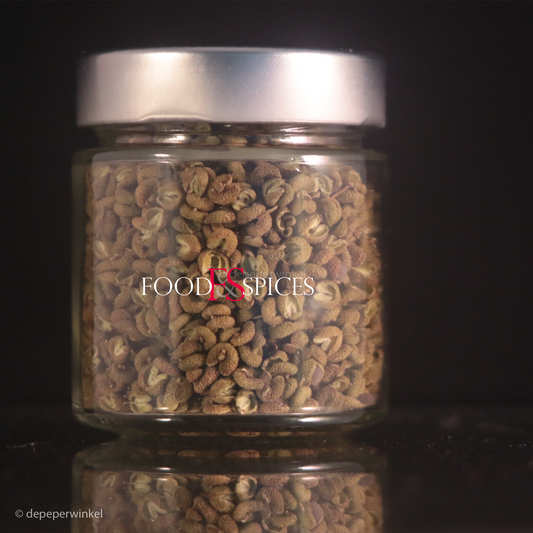 Not available - see explanation
Green sansho <tc>pepper</tc> - Sanshō-no-mi
Normal price €12,75 EURNormal priceUnit price per -
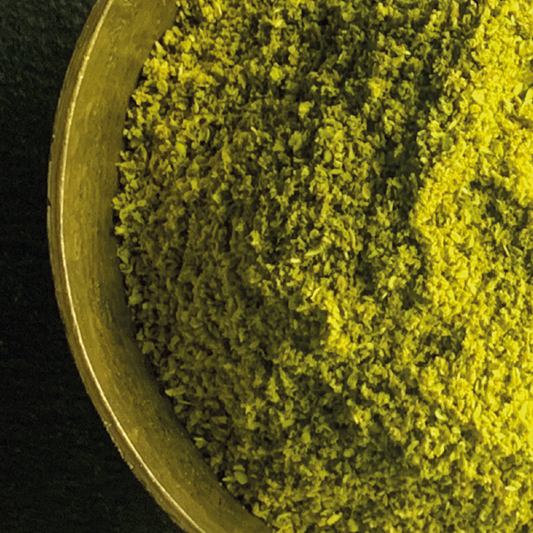
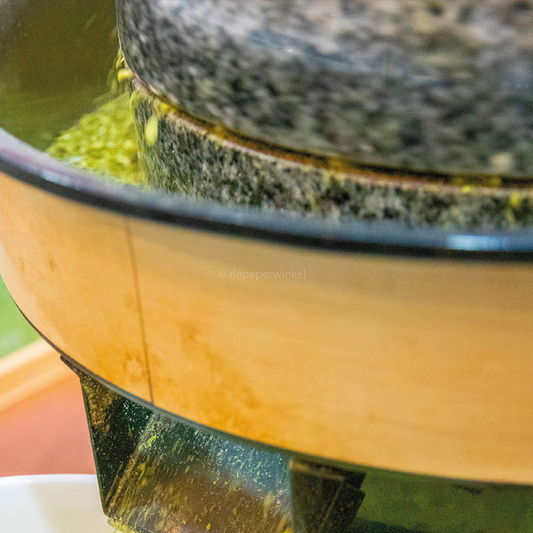 Not available - see explanation
Sansho powder - Sanshō no kona
Normal price €11,50 EURNormal priceUnit price per