
depeperwinkel
Tasmanian pepper (bush pepper)
Tasmanian pepper (bush pepper)
In stock
Unable to load availability for pickup
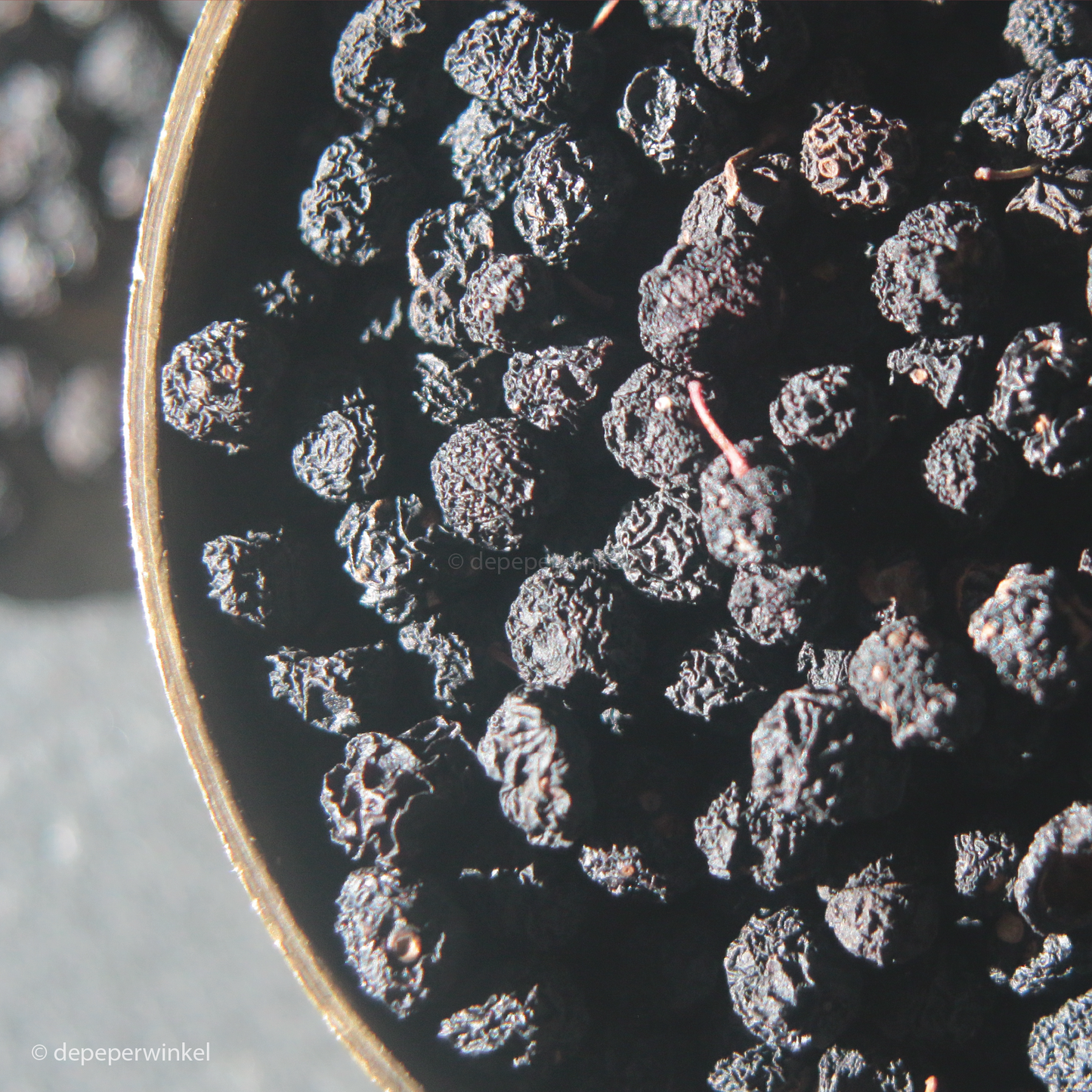
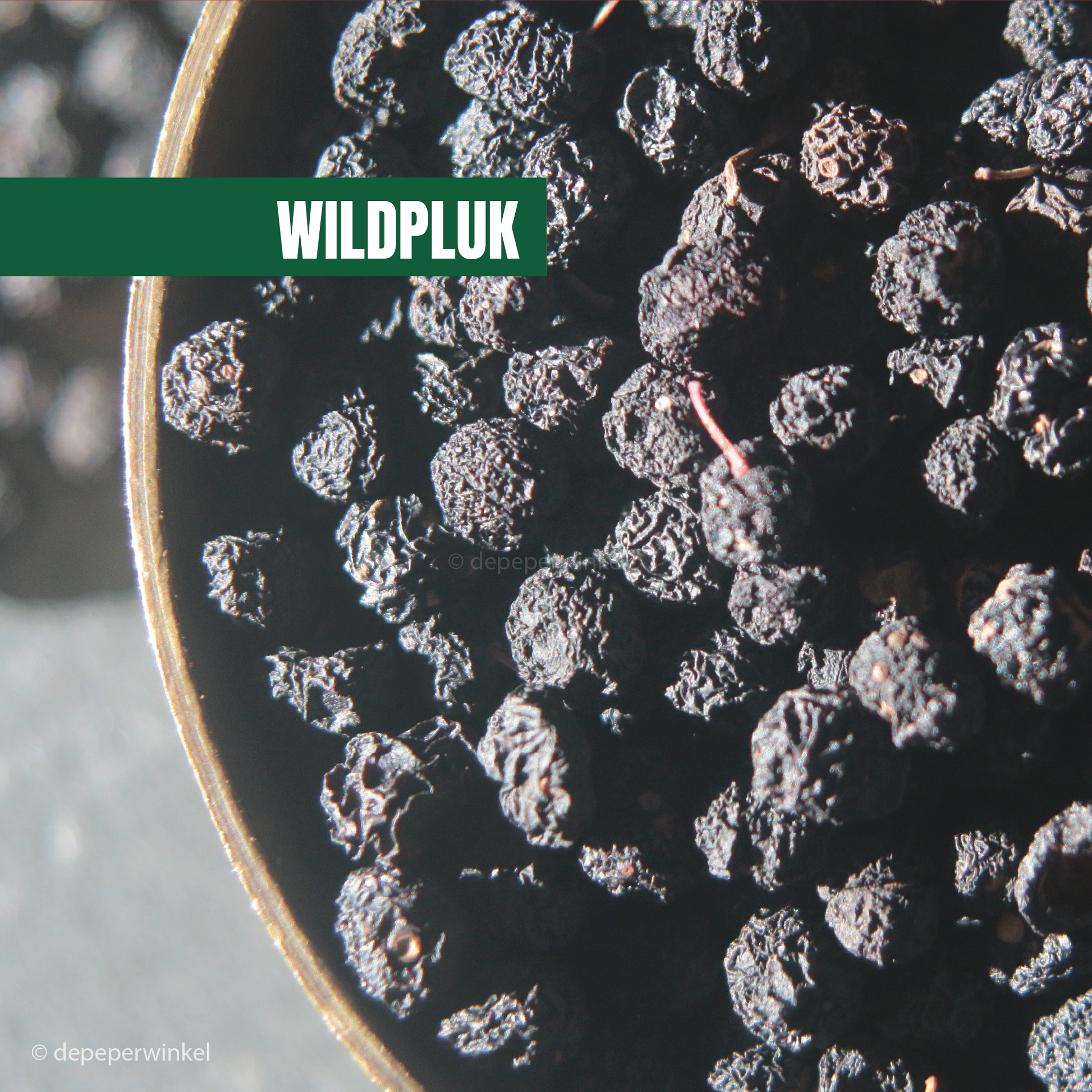
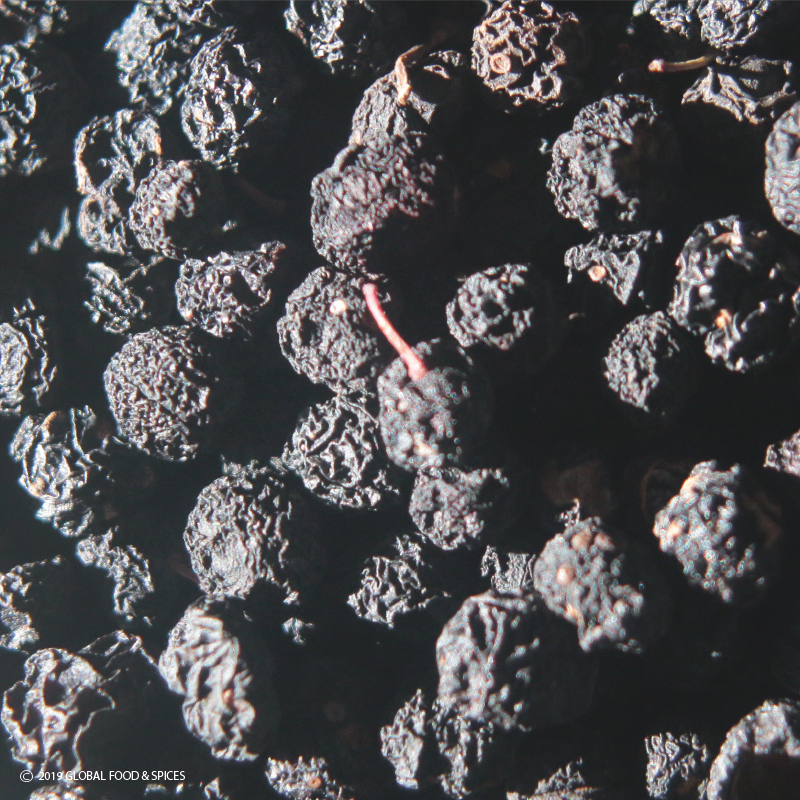
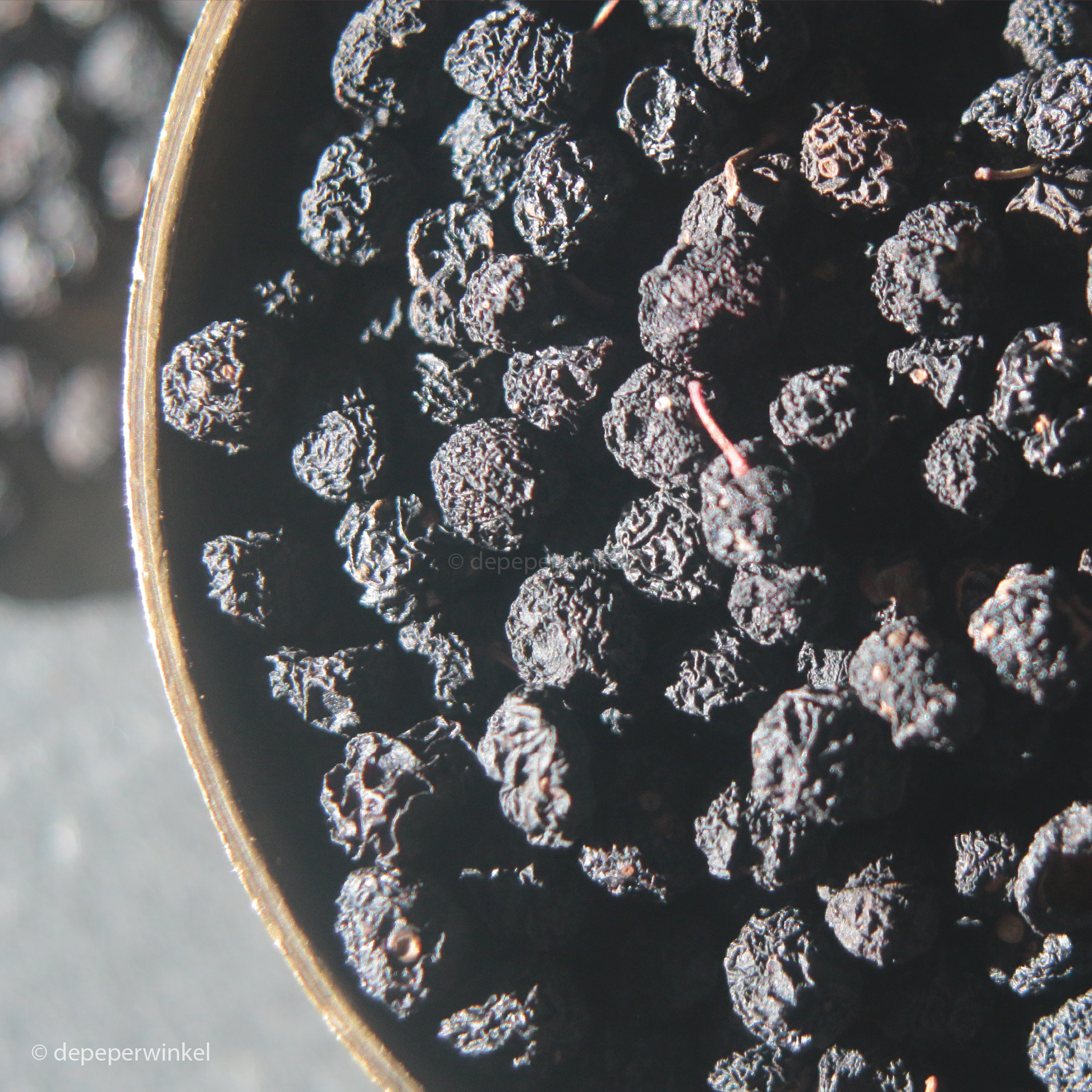
Tasmanian mountain pepper is an exclusive, very rare pepper considered 'bushfood': products native to the Australian bush. Experience how this exotic pepper 'explodes' in your mouth.
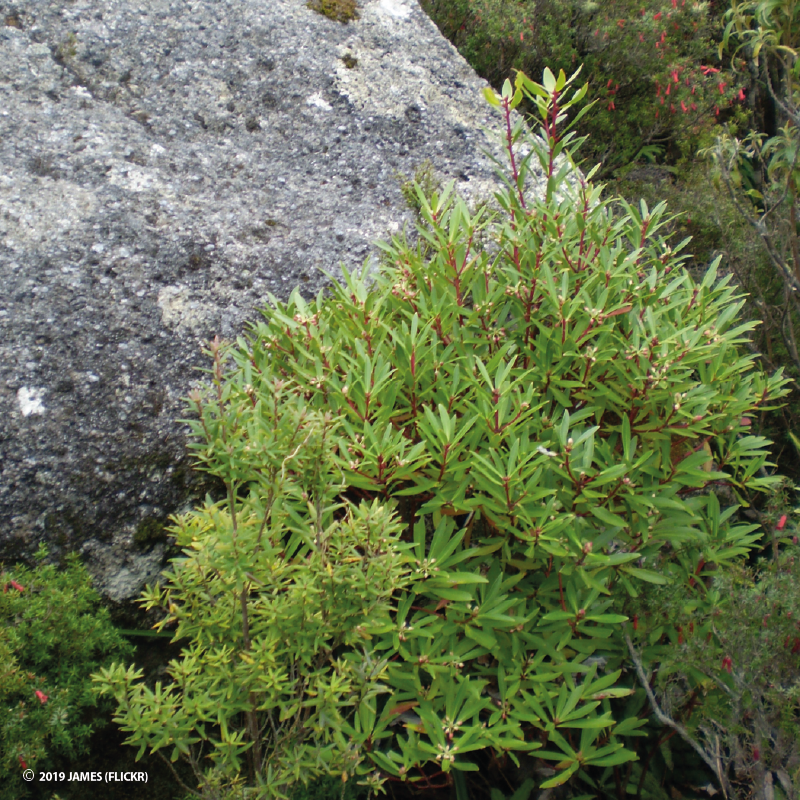
By the enormous wildfires in Gell River in 2019, ignited by hundreds of lightning strikes, went 28,000 hectares of vulnerable alpine wilderness have been lost, the habitat where Tasmanian mountain pepper naturally occurs. Since then, the entire world—after all, the pepper only grows there—has been dependent on small-scale cultivated Tasmanian pepper. Such limited supply and high demand initially resulted in an export ban, followed by a period of extremely high prices. It is therefore good news that wild mountain pepper can now be harvested again, causing the price to drop. As a result, we were able to significantly lower the price in October (2025).
Tasmanian mountain pepper is a plant from a genus that occurs only in Australasia and grows in the wild in many places there. The two-lobed 'berry' contains polygodal, That provides a unique sharpness experience, but also eugenol, vitamins A and C, and various minerals. And, it contains more antioxidants than most real berries.
Besides the dried berry, the dried leaf of the plant is also eaten. Aboriginal people have used the plant for centuries for medicinal purposes, against skin ailments and stomach pain, the leaf as an herb and the dried berry as a spice. European, mostly British, settlers also discovered the latter at the end of the 18th century.
The alpine pepper, Related to Tasmanian pepper, it grows in the highlands of Tasmania and is therefore sometimes called mountain pepper. The British introduced the plant and have been cultivating it in Cornwall since the beginning of the last century. They name the plant after the leaf, Cornish pepper leaf. The leaves have a sharp cinnamon flavor, while the berries are spicy and fruity. The taste is reminiscent of myrtle. The berry initially provides a mildly sweet taste sensation, which gradually transitions into a sharpness reminiscent of Zanthoxylum.
Tip: we also have the botanically related Pepe Canelo from Chile, you could call it a Tasmanian pepper with a hint of cinnamon.
Usage
A versatile pepper for fish and seafood, and in meat marinades, whether or not combined with soy sauce. The cinnamon accent gives the berry a typical bushfood flavor, which pairs well with cumin, coriander, lemon, and red fruit. It also comes into its own in stone fruit jams, such as apricot jams. Try adding a few grains to your gin or gin cocktail; preferably soak them in some gin beforehand.
Recipes):

Scent and taste
In Tasmanian pepper, you taste cinnamon, myrtle, and nutmeg, but also juniper, with which it combines well.
- 1,8-cineole, eucalyptol, the refreshing taste of mint and myrtle (and eucalyptus oil)
- linalol, responsible for the fresh floral scent
- α- and β-pinene, woody pine scent, as in cumin, pine (pinecone), juniper, black pepper, and hemp
- safrole, sweet and spicy with anise notes, like cinnamon
- myristicin, warm and spicy, like balsamic vinegar, in cinnamon, nutmeg, and black pepper
Features:
- 100% dried berries of the Tasmannia lanceolata
- origin: Tasmania - Australia
- foraging
-
Market price has risen sharply since 2024 as a result of habitat damage from fires, recovering only slowly
Assortment
- available in glass (30 and 45 grams), stand-up pouch and test tube (10 ml)
- Larger quantities on request
Gift packaging
- The jar is available in tasteful gift packaging, consisting of a cube box filled with black tissue paper.
- For an overview of our gift packaging, please refer to the section. gift packaging
Save:
- store your Tasmanian pepper in a closed package
- preferably store in a dark, dry and cool place
- batch no. **401 - best before September 2028 (09-2028)
- This expiration date is an indication.
Would you like to know how this Tasmanian pepper tastes?
You can also try a test tube. The tube contains enough pepper to grasp the essence of the flavor.
Batch number
The batch number helps us trace which supply an item originated from. It is listed on the packing slip and the invoice.
Expiration date - storage advice
Expiration date - storage advice
The stated expiration date is an indication of the shelf life. Because many factors can influence the maintenance of the quality of a spice, you may have to take it sooner or enjoy it for a long time. Trust your senses of smell and taste.
Store spices in a closed container, preferably in a dark, dry and cool place
The batch number that we mention with each product helps us to trace from which supply an item comes.
Dimensions
Dimensions
Onze ziplock-zakken zijn gemaakt van plastics, zo mogelijk van één soort plastic. Biedt ze aan bij het plastic-afval. De potjes zijn een levenlang te gebruiken om uw specerijen of spulletjes in te bewaren. Doet u het glas toch weg, doe het dan in de glasbak.
Allergen information
Allergen information
This product contains no allergens.
Our packaging
Our packaging
We supply this product in a practical twist-off jar (clear glass) of 128ml and in bags. For smaller quantities we use laminated stand-up pouches with ziplock closure, made of PET and PE. The bag is approximately 90% recyclable and is collected with the plastic.
Our two-layer bio-based kraft bags consist of a layer of 60 gram kraft paper and 80 micron PLA plastic. This bag is 100% biodegradable and can be placed in the green bin.
We use our aluminum bags for packaging larger quantities. These three-layer bags are made of laminated 12 micron PET, 7 micron aluminum and 60 micron PE. This combination makes it not possible to fully recycle the bags. These bags must be presented with the other waste.
The test tubes are made of PS plastic, have a diameter of 16 millimeters and a length of 100 millimeters. The caps are made of LDPE.