depeperwinkel
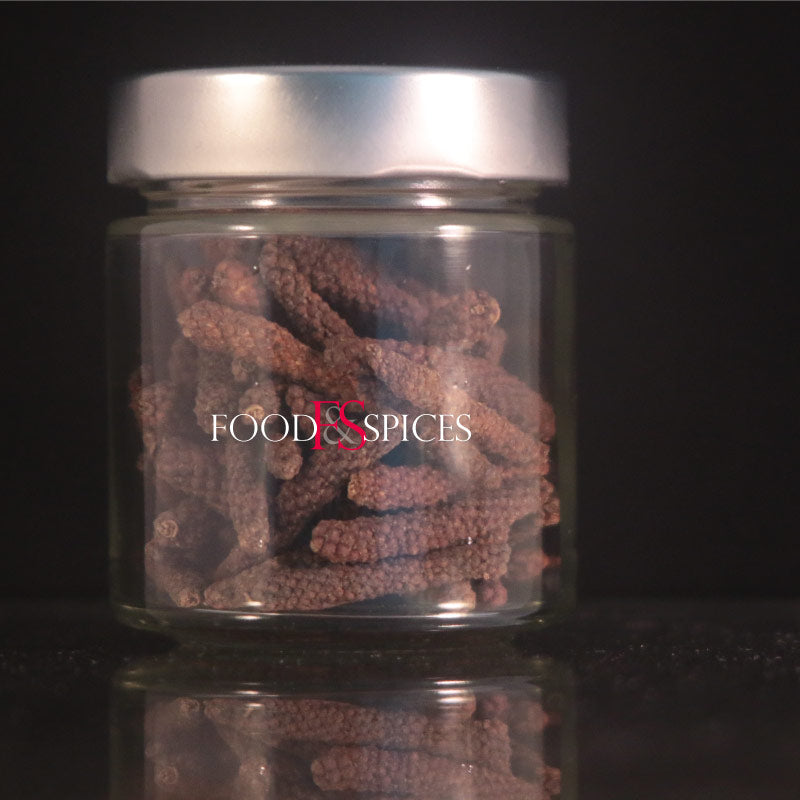
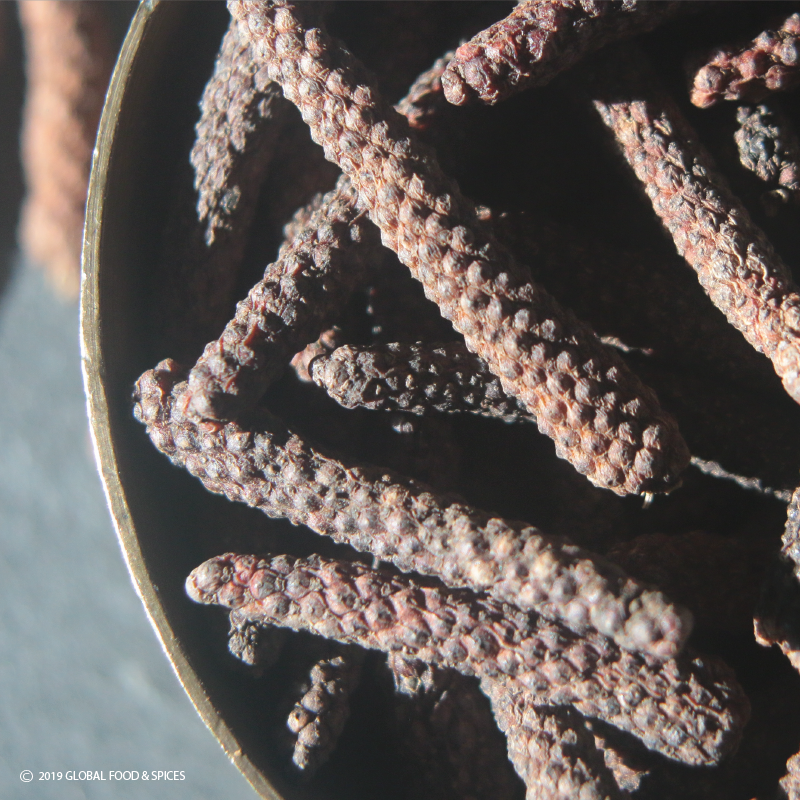
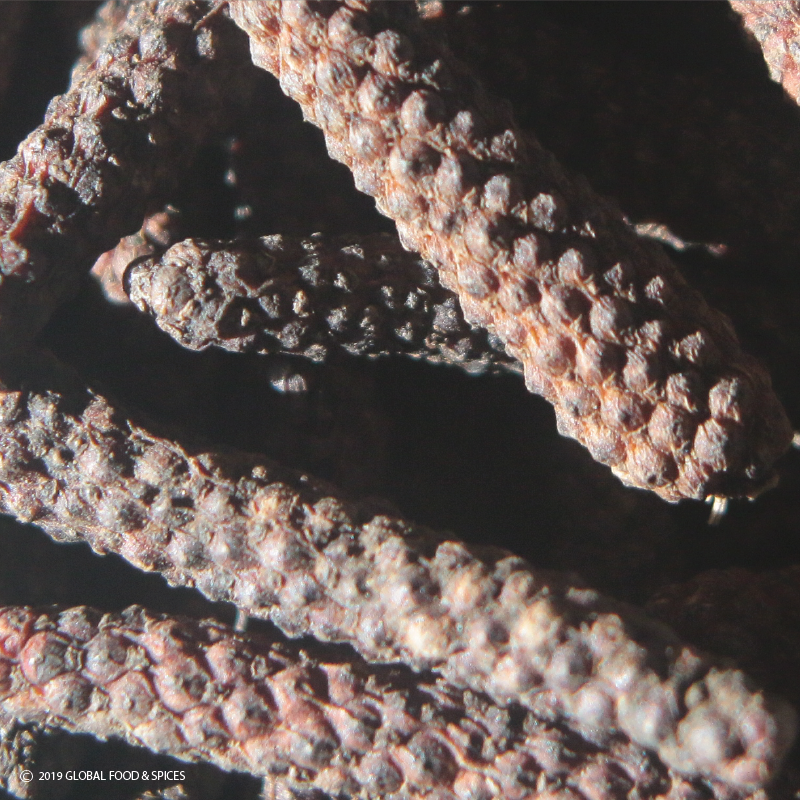
Black long <tc>Kampot</tc> pepper
Black long <tc>Kampot</tc> pepper
Temporarily out of stock
Unable to load availability for pickup
This long pepper is a sharp, unripe pepper with a complex flavor. It is grown in the Cambodian region.
< illustrations: red long
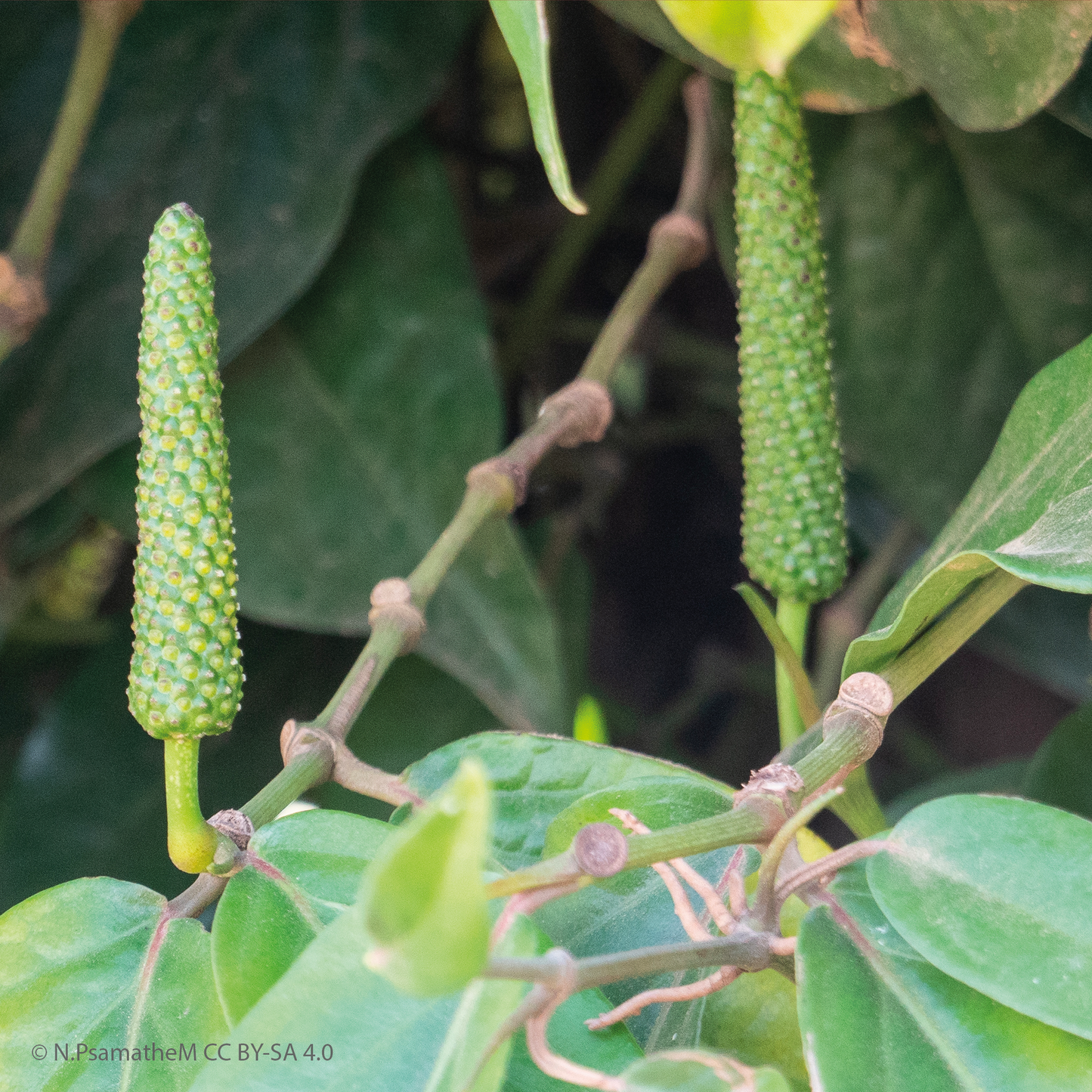
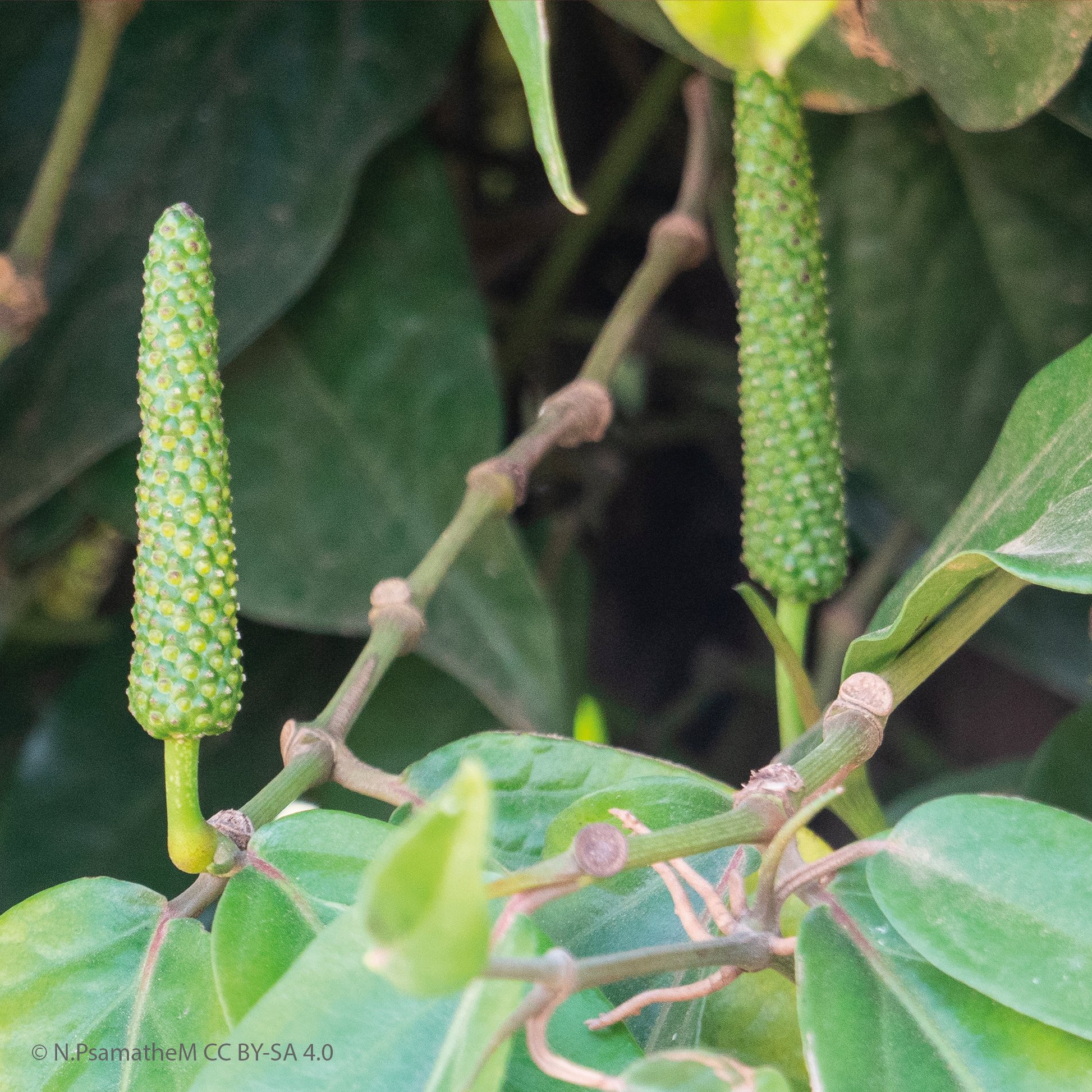
This Black long pepper is harvested from Javanese long pepper (Piper retrofractum) which is grown in Cambodia in the same region as the famous
This long pepper is grown in the forests, where farmers plant them. They utilize the shade of existing trees and the fertile, moist environment, so that no fertilization or irrigation is necessary. The plants bear fruit quickly and yield more each year. After the third year, the plants are uprooted and replaced.
This
Scent and taste
This long pepper is quite hot, especially for a pepper of this type. You taste a palette of sweet citrus notes, but the spicy-woody aroma of black pepper *) predominates. These are the main flavourings in long pepper:
- germacrene D *, spicy woody
- β-caryophyllene *, sweet, spicy and woody
- 3-carene, citrusy
- D-limonene (dipentene), sweetish orange flavor, occurring in modest amounts in nutmeg, mace, and cardamom,
- α- and β-pinene *, woody pine scent, as in cumin, pine (pine cone), juniper and hemp
- β-myrcene *, spicy aroma, with notes of fruit (mango, grape, peach) and mint
- sabinene *, responsible for the woody, camphor-like flavor of black pepper, among others
- α-phellandrene *, pleasant citrus and woody
peppers make
Usage
The simplest way to use long pepper is to cut or break the pepper into pieces and then mortar or grind these pieces, for example in a coffee grinder specifically designed for grinding spices.
Use long black pepper in stews and in spice blends. It pairs perfectly with red meat, lamb, duck, terrines, tuna, and oily fish. For desserts, it is better to use the red, ripe version.
Features:
- 100% peppercorns from Piper retrofractum (Javanese long pepper)
- origin: region
Kampot , Cambodia
Assortment
- available in glass (45 grams) and stand-up pouch (no test tubes)
- Larger quantities on request
Gift packaging
- The jar is available in tasteful gift packaging, consisting of a cube box filled with black tissue paper.
- For an overview of our gift packaging, please refer to the gift packaging section.
General advice
- Use long pepper whole or broken. When grinding the pepper, grind it shortly before use, and store any excess in a well-sealed jar.
- Whole or broken pepper comes into its own best in stews, so that the pepper has time to integrate,
- Add ground long pepper to your preparation at the very last moment.
Save:
- save your long pepper in sealed packaging
- preferably store in a dark, dry and cool place
- best before May 2027 (05-2027)
- This expiration date is an indication.
Batch number
The batch number helps us trace which supply an item originated from. It is listed on the packing slip and the invoice.
Expiration date - storage advice
Expiration date - storage advice
The stated expiration date is an indication of the shelf life. Because many factors can influence the maintenance of the quality of a spice, you may have to take it sooner or enjoy it for a long time. Trust your senses of smell and taste.
Store spices in a closed container, preferably in a dark, dry and cool place
The batch number that we mention with each product helps us to trace from which supply an item comes.
Dimensions
Dimensions
Onze ziplock-zakken zijn gemaakt van plastics, zo mogelijk van één soort plastic. Biedt ze aan bij het plastic-afval. De potjes zijn een levenlang te gebruiken om uw specerijen of spulletjes in te bewaren. Doet u het glas toch weg, doe het dan in de glasbak.
Allergen information
Allergen information
This product contains no allergens.
Our packaging
Our packaging
We supply this product in a practical twist-off jar (clear glass) of 128ml and in bags. For smaller quantities we use laminated stand-up pouches with ziplock closure, made of PET and PE. The bag is approximately 90% recyclable and is collected with the plastic.
Our two-layer bio-based kraft bags consist of a layer of 60 gram kraft paper and 80 micron PLA plastic. This bag is 100% biodegradable and can be placed in the green bin.
We use our aluminum bags for packaging larger quantities. These three-layer bags are made of laminated 12 micron PET, 7 micron aluminum and 60 micron PE. This combination makes it not possible to fully recycle the bags. These bags must be presented with the other waste.
The test tubes are made of PS plastic, have a diameter of 16 millimeters and a length of 100 millimeters. The caps are made of LDPE.
Share