depeperwinkel
Cinnamon buttons (cassia)
Cinnamon buttons (cassia)
In stock
Unable to load availability for pickup
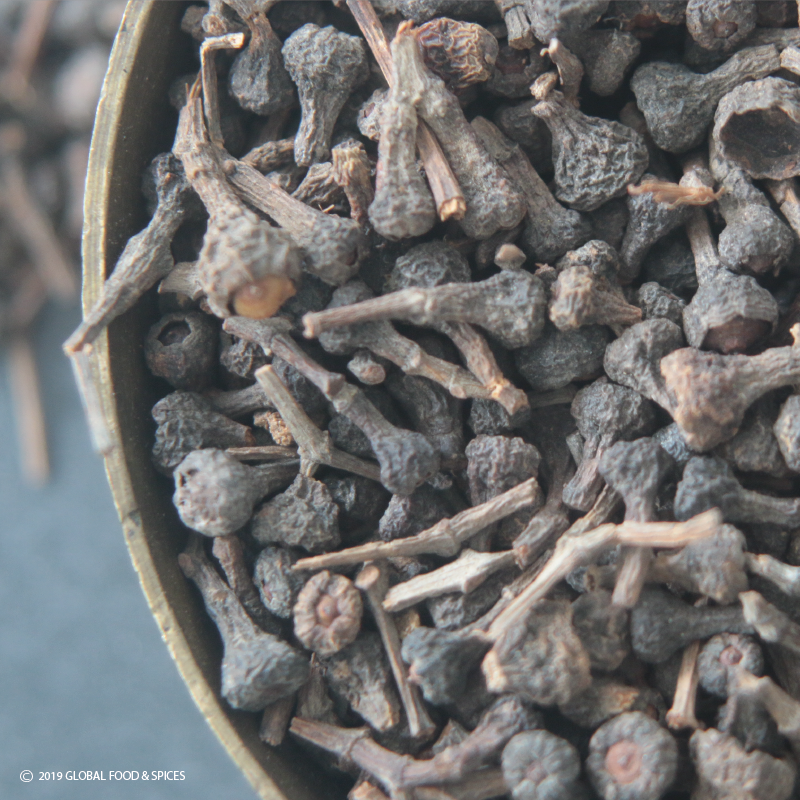
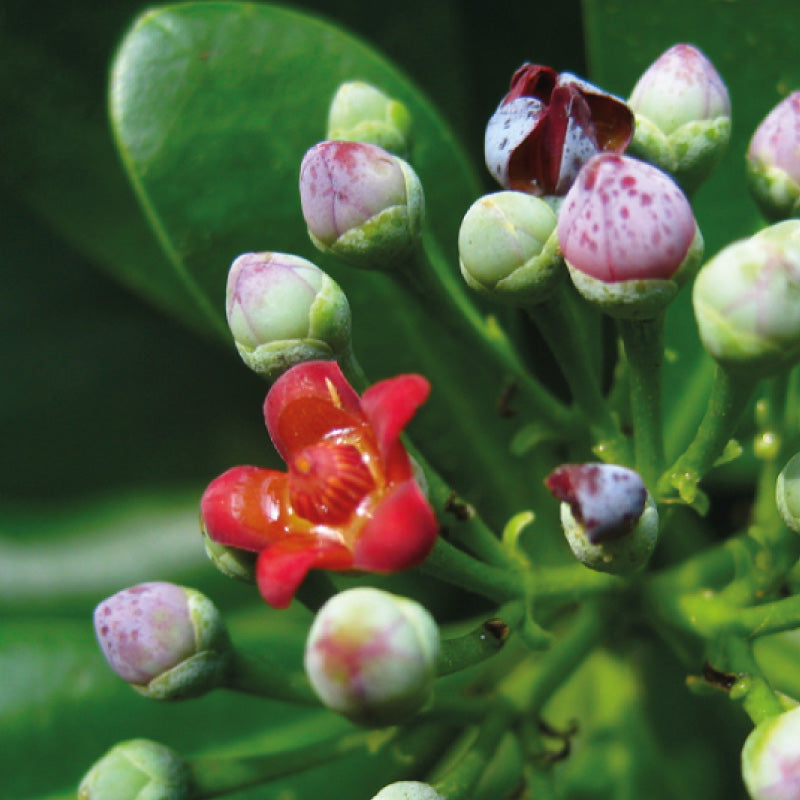
Cinnamon buds (kwei tze in Chinese) are the flower bases containing the budding seed of the cassia tree. The buds are used both whole and ground in savory and sweet dishes. They are very aromatic, without bitter notes.
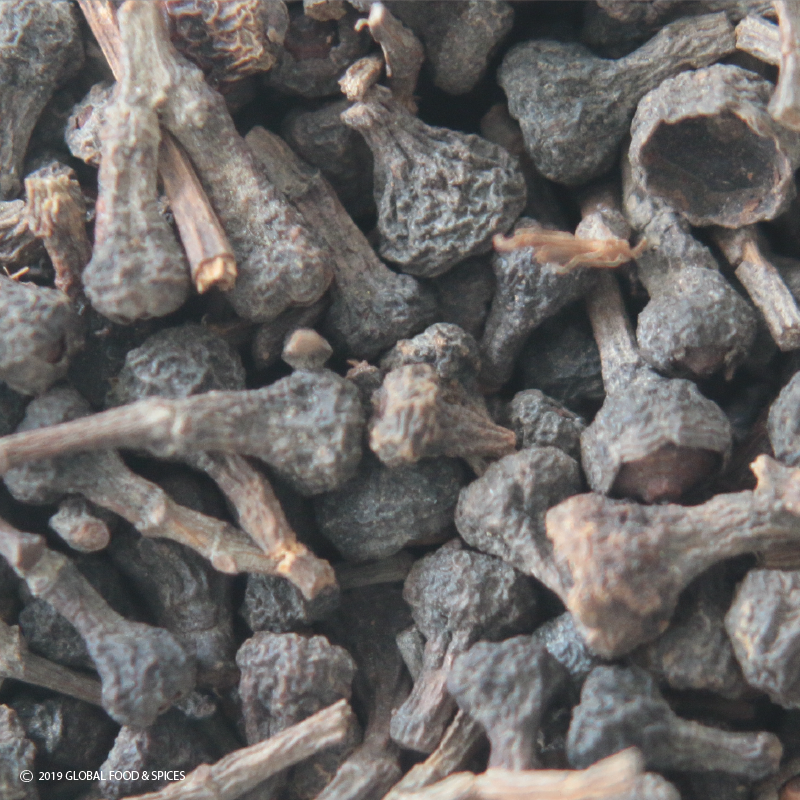
Chinese cassia (Cinnamomum aromaticum sinens) is a variety of cinnamon. It is the only species whose flower heads are harvested on a larger scale and traded as a spice. The buds look somewhat like cloves, but appearances are deceiving.
The buds are the fleshy receptacles (receptaculum) that enclose the developing seed, just as is the case with an acorn. The buds are picked shortly after flowering. When the buds are dried properly, the receptacle turns deep brown, in contrast to the light brown, sometimes barely visible berry. You can recognize fresh cassia buds by this color contrast. Because the seeds shrink during drying, the berries sometimes fall out. If cassia buds are stored for too long, the buds turn pale brown and, moreover, lose their aroma.
The buds are less than 1 cm long and half a centimeter in diameter. Although less aromatic than the dried bark, they are 'more floral' and lack the bitter notes of cassia.
Cassia buds have traditionally been used in Chinese medicine. They were first described around 2700 BC in the Chinese herbal book Shen-nung. The Romans used them, thanks to Arab and Phoenician traders who brought them from India. They regularly sailed to the Orient with their sailing ships thanks to their knowledge of the winds, a skill the Romans did not possess.
This spice typically originates from China or Myanmar (formerly Burma), but is increasingly being harvested in other cinnamon-producing countries as well. Our buds come from southern China (Guangdong).
Scent and taste
The main fragrance in cinnamon buds is the rather sweet cinnamyl acetate, which smells like flowers (roses) as well as cinnamon. The buds contain hardly any cinnamaldehyde, the main aroma and flavor component in cinnamon and cassia bark. The buds also contain relatively little coumarin compared to cassia bark, and are therefore less bitter than the bark.
Usage
The buds are used finely ground in desserts, or whole in curries and pulaos, in marmalade and mulled wine. The wine drink Hippocras, in which ginger, grains of paradise, and cinnamon buds are used, dates back to the Middle Ages.
In Germany, people like to use these little buds in winter marmalades. and compotes, such as blood orange marmalade or jelly.
Recipes):

Features:
- 100% dried flower bases of the Cinnamomum aromaticum
- origin: China, Guandong
Assortment
- available in glass (45 grams) and stand-up pouch (no test tubes)
- Larger quantities on request
Save
- batch number **220295
- best before August 2027 (08-2027)
Health
Cinnamon from cassia plants contains a lot of coumarin, the sweet flavor, but in larger quantities also a slightly bitter undertone of this type of cinnamon. True cinnamon (Ceylon cinnamon) contains hardly any coumarin. These cassia cinnamon buds do contain it, but the coumarin content is lower than in the bark of the cassia.
Coumarin is an aromatic substance that inhibits blood clotting and, in exceptional cases, can cause liver damage. The European Food Safety Authority (EFSA) has prohibited the addition of synthetically produced coumarin to foodstuffs and has established a maximum tolerable daily intake (TDI) of 0.1 mg per kilogram of body weight per day for natural coumarin.
Cinnamon buds contain almost 20 times as much coumarin as Ceylon cinnamon (0.31 compared to 0.017 grams per 100 grams).
Expiration date - storage advice
Expiration date - storage advice
The stated expiration date is an indication of the shelf life. Because many factors can influence the maintenance of the quality of a spice, you may have to take it sooner or enjoy it for a long time. Trust your senses of smell and taste.
Store spices in a closed container, preferably in a dark, dry and cool place
The batch number that we mention with each product helps us to trace from which supply an item comes.
Dimensions
Dimensions
Onze ziplock-zakken zijn gemaakt van plastics, zo mogelijk van één soort plastic. Biedt ze aan bij het plastic-afval. De potjes zijn een levenlang te gebruiken om uw specerijen of spulletjes in te bewaren. Doet u het glas toch weg, doe het dan in de glasbak.
Allergen information
Allergen information
This product contains no allergens.
Our packaging
Our packaging
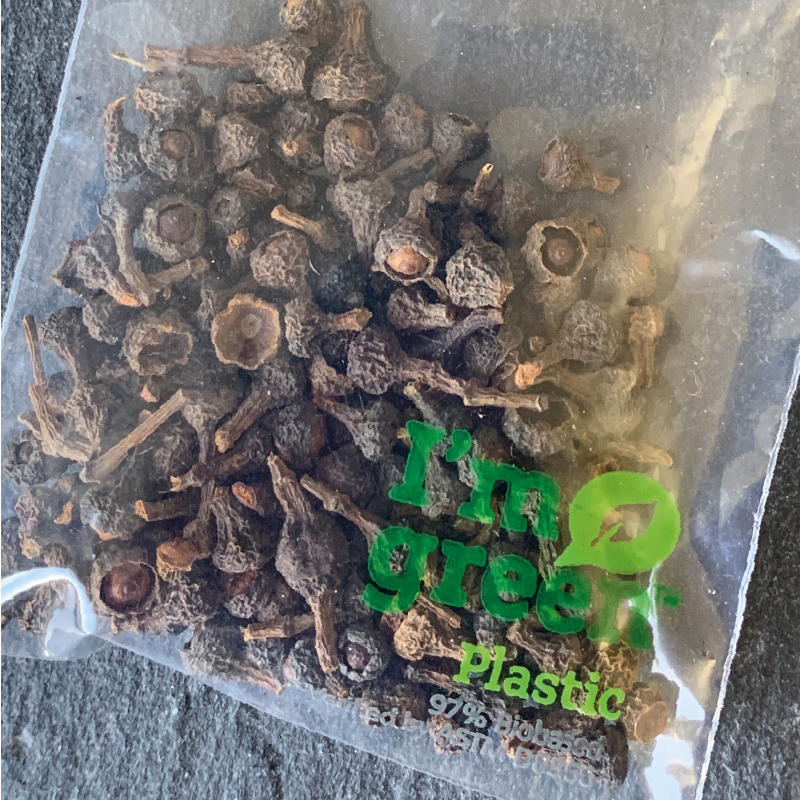
We supply this product in a practical twist-off jar (clear glass) of 128ml and in bags. For smaller quantities we use laminated stand-up pouches with ziplock closure, made of PET and PE. The bag is approximately 90% recyclable and is collected with the plastic.
Our two-layer bio-based kraft bags consist of a layer of 60 gram kraft paper and 80 micron PLA plastic. This bag is 100% biodegradable and can be placed in the green bin.
We use our aluminum bags for packaging larger quantities. These three-layer bags are made of laminated 12 micron PET, 7 micron aluminum and 60 micron PE. This combination makes it not possible to fully recycle the bags. These bags must be presented with the other waste.
The test tubes are made of PS plastic, have a diameter of 16 millimeters and a length of 100 millimeters. The caps are made of LDPE.